MAME (1997): How Emulation Became Arcade History's Safety Net
Nicola Salmoria's project set out to document arcade hardware before the machines disappeared.
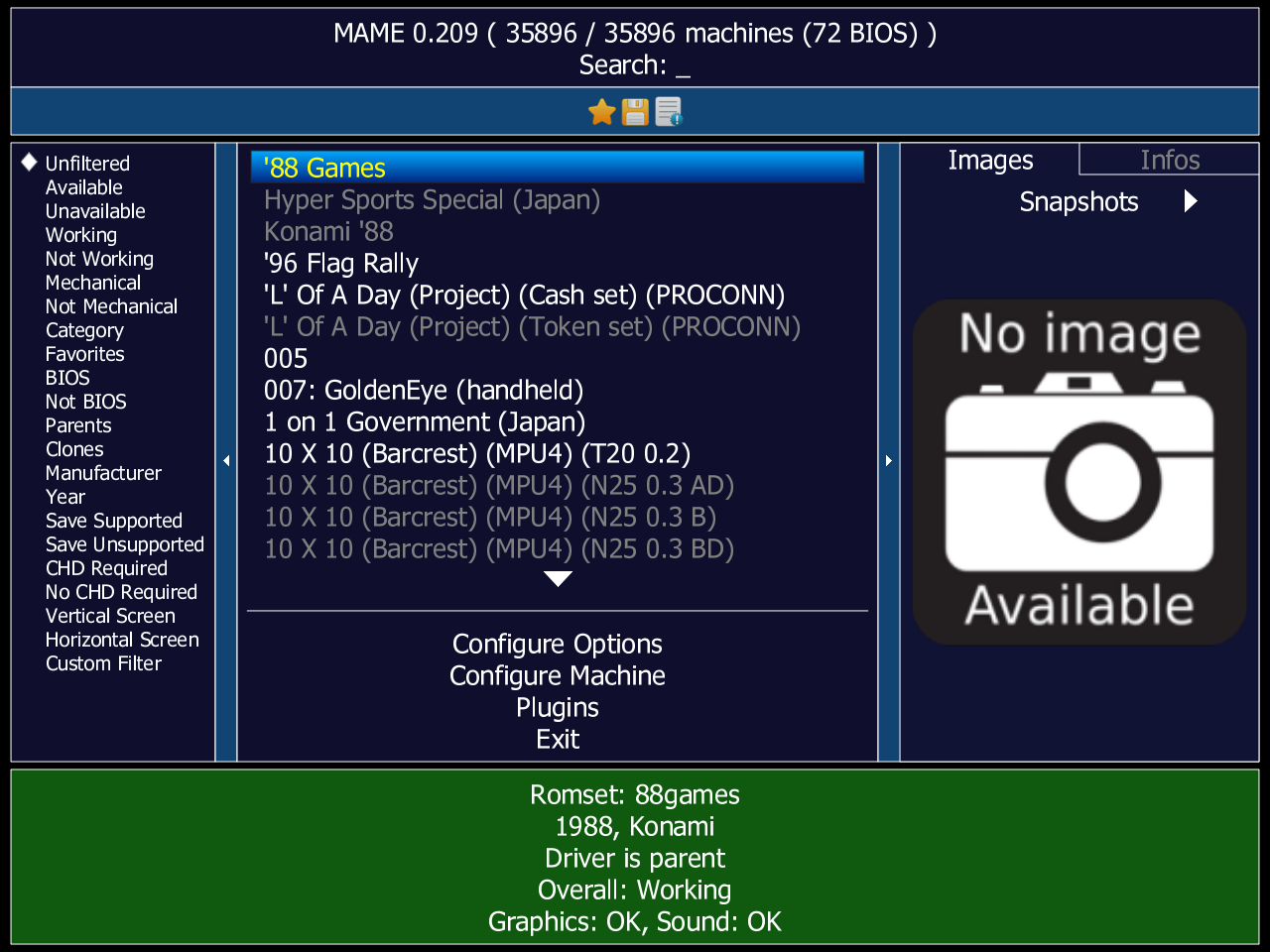
Arcade boards break, cabinets get scrapped and companies close. In 1997 Italian programmer Nicola Salmoria released MAME, the Multiple Arcade Machine Emulator, which merged several earlier single-game emulators into one project.
Documentation first
MAME's stated aim is preservation: accurately documenting how each arcade board works, so the software can run long after the original hardware is gone. Accuracy comes ahead of speed or convenience.
A community effort
Over the years hundreds of contributors have added thousands of machines. In 2016, MAME moved to an open-source licence, which made it easier to include in other projects.
The legal line
MAME itself is legal software. The games it runs are still copyrighted, so playing ROMs you do not own the rights to is a different matter. Many publishers now release official arcade collections, often built on emulation.
Why WGC cares
Emulation is one of our core scenes. The arcade, retro and emulation sections will track official re-releases, preservation projects and legal ways to play the classics.
Reference: Wikipedia, MAME and Video game preservation.