Hollow Knight: Silksong and the Longest Wait in Indie Gaming
It started as a Kickstarter stretch goal in 2014 and became a meme for six years. Then a tiny Australian studio sold more than seven million copies in four months. How Silksong turned waiting into a legend.
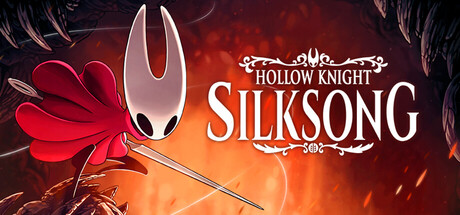
For years, a YouTube channel posted a video every single day with the same news: there was no news. It kept going for roughly 1,700 days. The subject was a sequel to a bug-themed platformer made by a few people in Adelaide, and the joke only worked because millions of fans really were waiting.
On 4 September 2025 the joke ended. Hollow Knight: Silksong, from Australian studio Team Cherry, launched on PC, PlayStation 4 and 5, Xbox One and Series X|S, Nintendo Switch and Switch 2, and on Xbox Game Pass from day one, priced at $19.99 on Steam. Storefronts including Steam and the Nintendo eShop buckled under the traffic. Within hours the game passed 535,000 concurrent players on Steam, and by December 2025 Team Cherry reported more than seven million copies sold.
A stretch goal that grew up
Silksong was never meant to be a separate game. When Team Cherry crowdfunded the original Hollow Knight on Kickstarter in 2014, one of the stretch goals promised a content pack that would let players control Hornet, the sharp-tongued princess-protector who fights the hero several times in the first game.
Hollow Knight came out in 2017 and quietly became one of the most loved Metroidvanias ever made (a Metroidvania is a 2D action game built around one big interconnected map that opens up as you gain new abilities). The Hornet idea kept growing until the team realised it was a full game. In February 2019 Team Cherry announced it as a standalone sequel.
The studio's directors and designers, Ari Gibson and William Pellen, kept the team tiny. Composer Christopher Larkin returned to write the score. There was no publisher-driven marketing beat, no endless trailer cycle. There was mostly silence.
Who is Hornet?
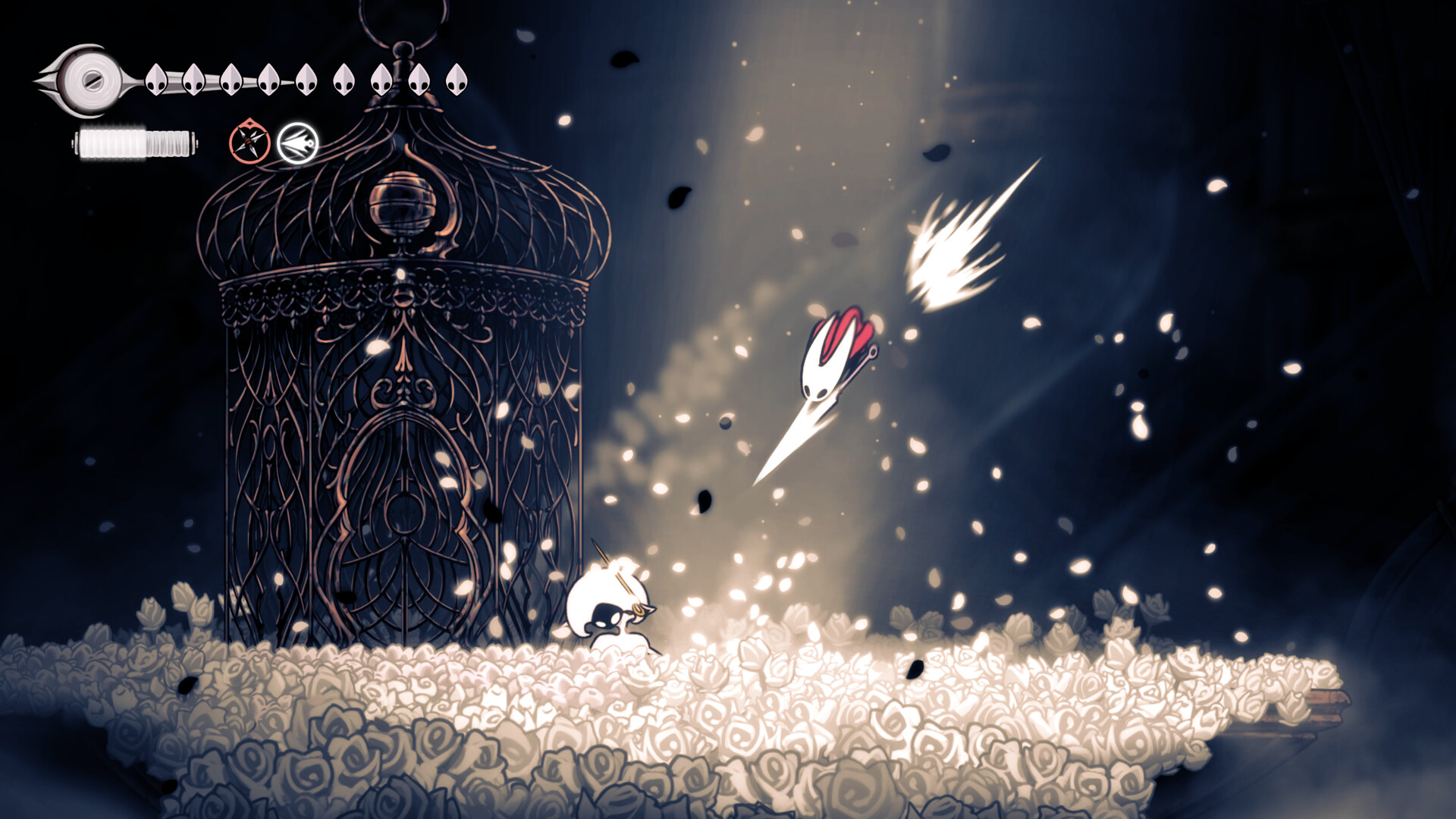
In the first game, Hornet is the guardian of the ruined kingdom of Hallownest. You meet her in the green caverns of Greenpath, where she tests the silent Knight in a duel, and again much later at Kingdom's Edge. Lore fans know her as the daughter of the Pale King and Herrah the Beast, which makes her half royalty and half spider.
That background explains why she moves the way she does. The Knight is a small, steady fighter who plods and pogos. Hornet throws her needle on a thread, darts across rooms and dances around enemies. Turning her into the lead was not just a story choice. It forced Team Cherry to rebuild how the whole game feels, from the size of rooms to the speed of bosses, and that is a big part of why a content pack turned into a sequel.
Six years of clowns and "Silkposts"
A planned 2023 release slipped, and the community coped the way the internet does. Fans posted clown imagery every time a showcase passed without news. They invented fake news screenshots, nicknamed "Silkposts." The daily "no news" videos became a ritual of their own.
The silence was not a marketing trick. Team Cherry simply rarely spoke, and when it did, it said little. That restraint is part of why the launch felt so explosive: nobody had seen the game picked apart in endless previews, so the first real look came from playing it.
Launch day: when the stores fell over
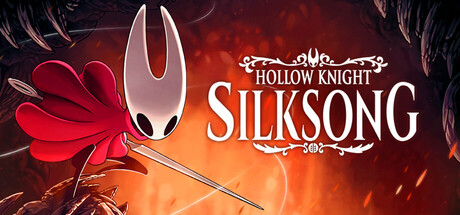
When Silksong finally went live, the traffic knocked over several storefronts at once. On Steam, SteamDB tracked a peak of 535,213 concurrent players a few hours in. That placed it 18th among the most-played games in Steam history by peak concurrent users at that moment, ahead of Valheim's 502,000. Among 2025 releases, only Monster Hunter Wilds had a higher Steam peak.
Remember that this is a $19.99 2D game made by a few people, competing with blockbusters that cost hundreds of millions of dollars. And Steam is only part of the picture: the game also launched on every major console and on Game Pass, so the real number of people playing that first night was far higher.
What is Silksong, actually?
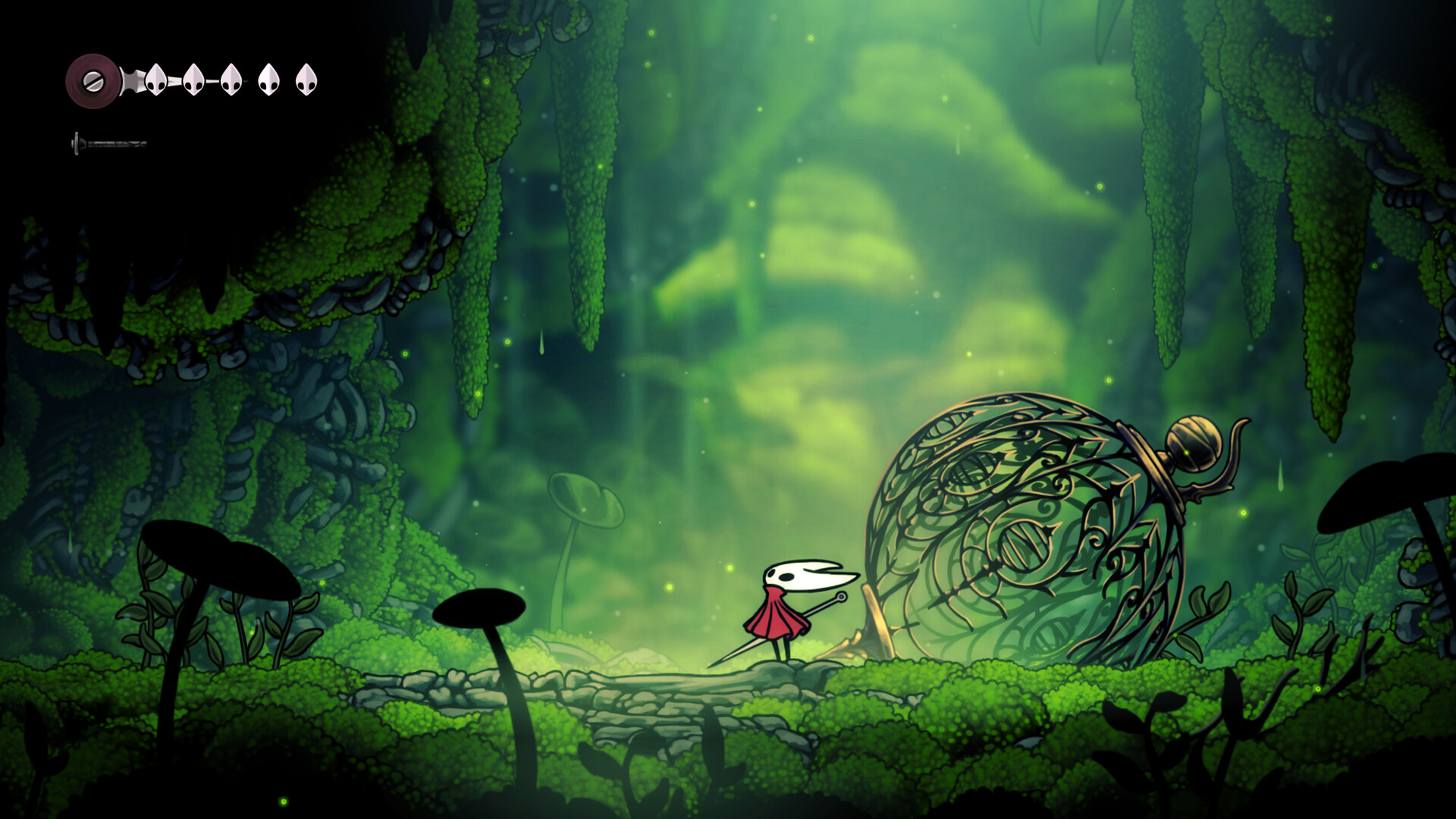
You play as Hornet, captured and carried off to Pharloom, a kingdom ruled by silk and song. Its creatures are touched by a creeping "Haunting," and above it all sits Grand Mother Silk. Hornet is faster and more acrobatic than the first game's Knight. She uses tools, crests that change how she fights, and silk skills, and her movement is far more expansive.
Critics loved it. Metacritic scores land between 90 and 94 depending on platform, and 97% of critics on OpenCritic recommend it. The art, Larkin's soundtrack, the writing and the world design all drew praise.
It was also hard, and that split the audience. Long "runbacks" (the trek back to a boss after you die), heavy enemy damage and tricky pogo platforming frustrated many players. Mods that soften the difficulty appeared within days. The debate was loud, but it rarely stopped people from playing to the end, and the game has multiple endings for those who do.
By the numbers
- 2014: Hornet content first promised as a Kickstarter stretch goal
- February 2019: Silksong announced as a standalone game
- 4 September 2025: launch on PC, PlayStation, Xbox, Switch and Switch 2, plus Game Pass
- 535,213: Steam concurrent peak a few hours after launch
- 7 million+: copies sold by December 2025, per Team Cherry
- 93%: share of positive reviews among more than 147,000 English-language Steam reviews
- $19.99: launch price on Steam
Why it caught fire
Plenty of games have long development cycles. Silksong caught fire for three reasons.
First, trust. Hollow Knight was so generous, packed with free updates and secrets, that fans believed the sequel would be worth any wait.
Second, the meme. Six years of jokes kept Silksong in the conversation without Team Cherry spending a cent on marketing. Every empty showcase became free publicity.
Third, the price and the reach. Launching everywhere at once, at an indie price and on a subscription service, removed nearly every barrier. Anyone curious could try it on day one.
There is a lesson here for the rest of the industry. The year's loudest launches usually come with nine-figure budgets, months of paid influencer campaigns and a live-service roadmap. Silksong had none of that. It had a beloved predecessor, a fair price and a community that had spent six years turning impatience into in-jokes. That combination is not easy to copy, but it shows that attention can still be earned rather than bought.
What to play next
If Silksong's challenge left you wanting more, start with the original Hollow Knight, still one of the best values in games. For another 2025 indie that turned word of mouth into millions, read our story on Hades II, Supergiant's first sequel (Hades II feature). And for the opposite kind of hit, built in two months rather than six years, see how two developers made one of the best-selling games of 2026 (Meccha Chameleon).
WGC's take: Silksong proves that a small team can still outrun the biggest launches of the year, as long as it never breaks the trust of its players. Team Cherry made people wait six years, then gave them a game that made the wait feel worth it.