Godot's Big Year: A Tencent-Backed Raise, a 3-Million-Copy Hit and 47% of a Game Jam
The free, open-source Godot engine has gone from Unity refuge to serious business. Slay the Spire 2 sold 3 million copies in a week, Tencent led an $18 million round for Godot's commercial partner, and jam developers now pick it first.
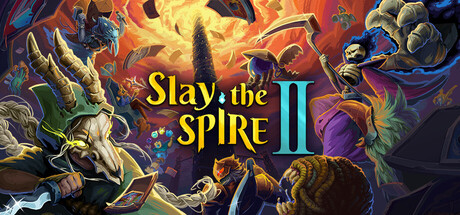
On March 5, 2026, Mega Crit released Slay the Spire 2 in early access on Steam. Within about a week it had sold 3 million copies, and its concurrent player count came close to 575,000. It was one of the biggest PC launches of the year. It was also the biggest commercial proof yet for Godot, a game engine that costs nothing, charges no royalties and is built largely by volunteers.
Godot's 2026 has been full of milestones. In August, W4 Games, a company founded by Godot veterans to sell services around the engine, raised $18 million in a round led by Tencent. At the GMTK Game Jam 2026, Godot was the most-used engine, behind 47% of 10,511 entries. And SteamDB data shows the number of Godot games released on Steam grew by about 50% from 2024 to 2025.
From Unity refugee camp to real business
Godot has been around for more than a decade. Argentine developers Juan Linietsky and Ariel Manzur built it as an in-house engine, then released it as open source under the permissive MIT license in 2014. For years it was a hobbyist favourite with limited 3D tools.
The turning point came in September 2023, when Unity announced a per-install runtime fee. Developers who no longer trusted Unity went looking for alternatives, and many tried Godot. Mega Crit was one of the best known: it moved Slay the Spire 2 from Unity to Godot after the runtime fee row, even though Unity later cancelled the fee.
Godot's own team says its community has roughly doubled in the last couple of years, and each new engine release gets around 2 million downloads from its website alone.
How a free engine pays its bills
Godot is run by the non-profit Godot Foundation, which pays a small team of part-time and full-time developers from donations. Hundreds of other contributors work on it in their spare time. Its Development Fund, launched in September 2023, takes monthly donations from individuals and sponsorships from companies.
In February 2026, Buckshot Roulette developer Mike Klubnika joined Godot's top Corporate Platinum sponsor tier, which is listed at €36,000 a year, alongside companies such as W4 Games and JetBrains.
W4 Games and the Tencent bet
The commercial side of Godot is W4 Games, founded in 2021 by co-chief executive Nicola Farronato and Godot veterans including Linietsky, Rémi Verschelde and Fabio Alessandrelli. It sells commercial tools, cloud services and studio support, the things a large company wants before betting a big project on an open-source engine.
Its $18 million Series B, reported in September 2026, was led by Tencent, with OSS Capital, LUX, Naval Ravikant and the family office of Shopify founder Tobias Lütke also taking part. W4 has now raised $33 million in total and plans to grow its international team by half. Farronato said Godot is now used by companies such as Meta, Google, Apple and Second Dinner, and expects strong growth in Asia.
What Godot still lacks
Godot is not about to replace Unreal for blockbusters. Its 3D rendering and tools still trail the big commercial engines, and shipping on consoles usually requires a third-party porting service because console makers' tools cannot be published in open source. Unity also remains dominant in mobile, saying more than 70% of the top 1,000 mobile games use its engine.
Why it matters
A free engine that can carry a 3-million-copy hit changes the bargaining power of every small studio. It means a developer can build a commercial game without paying royalties, without fearing sudden fee changes and without asking anyone's permission.
WGC's take: Godot's growth is good for players even if they never hear its name. More competition keeps Unity and Epic honest, and a healthy free option means more small teams can afford to make the strange, personal games that often become the next big thing. For the bigger picture, read our long read on the 2026 engine wars.