After the Crash: How the Famicom and Super Mario Bros. Saved Home Gaming
Nintendo launched in Japan in 1983, the same year North America's market collapsed.
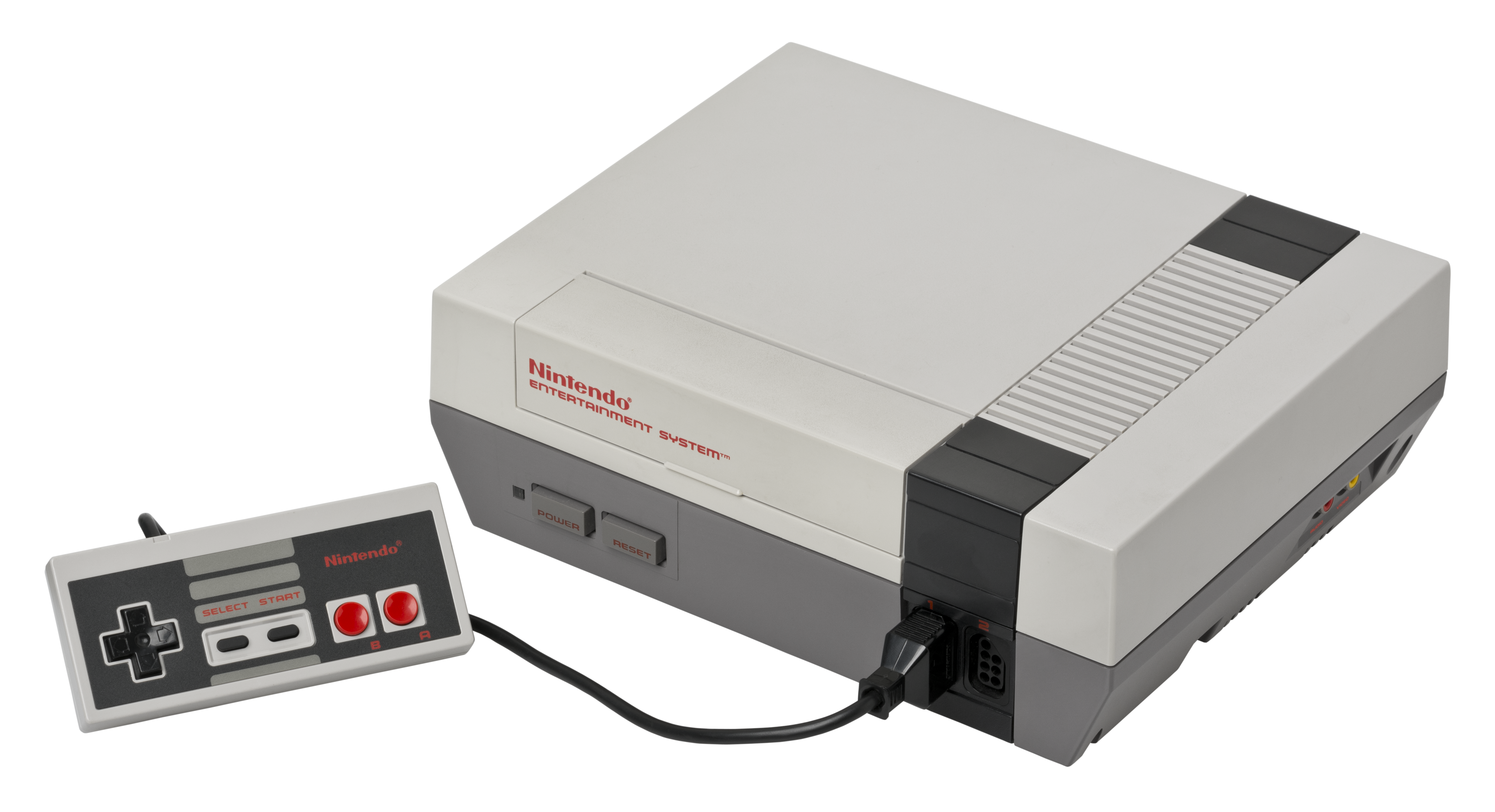
In July 1983 Nintendo released the Family Computer (Famicom) in Japan. That same year, the North American home game market crashed, flooded with too many consoles and too many poor games. Retailers wanted nothing to do with video games.
Rebranding a console
Nintendo redesigned the Famicom as the Nintendo Entertainment System (NES), made it look more like a VCR than a toy, and test-launched it in New York in October 1985. A Seal of Quality and tight licensing rules for third parties were meant to stop the flood of bad games that caused the crash.
Enter Mario
Super Mario Bros., released in September 1985 and directed by Shigeru Miyamoto, became the NES's must-have game. Its smooth side-scrolling, secrets and tight controls set the template for platformers.
Legacy
The NES restored retailers' faith in games and made Nintendo the leading console maker of the late 1980s. Its licensing model still shapes how platform holders work with publishers today.
Reference: Wikipedia, NES, Video game crash of 1983, Super Mario Bros.