Escape from Duckov: Five Developers, One Duck and Three Million Sales
A tiny team inside Chinese video platform Bilibili turned the most punishing shooter genre into a cosy single-player game about a duck. It sold three million copies in under a month. Here's how.
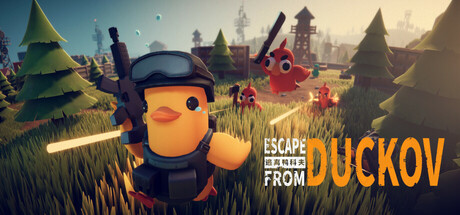
Escape from Tarkov is famous for being cruel. You drop into a war zone, grab what loot you can and try to reach an exit before other players shoot you and take everything. Lose, and your gear is gone. It is thrilling, and for many people it is far too stressful to enjoy.
So a small team in China asked a simple question: what if you kept the loop and took out the cruelty? And what if you were a duck?
The answer was Escape from Duckov, released on 16 October 2025 for Windows and macOS. Made by Team Soda, an internal studio at Chinese video platform Bilibili, which also published it, the game sold about 300,000 copies in three days, passed 1 million on 22 October, 2 million by 28 October and 3 million by 8 November. It peaked at more than 300,000 concurrent players on Steam.
A Tarkov fan's love letter
The project was led by producer Jeff Chen, who formed the team and has logged more than 1,400 hours in Escape from Tarkov. He has described Duckov as an homage to the game he loves, and it shows. The structure is pure extraction shooter: head into a map, scavenge weapons, food and valuables, survive, and get out alive to bank your haul.
(An extraction shooter is a genre built around this raid loop. The tension comes from the risk: everything you carry can be lost if you die before extracting.)
The difference is that Duckov is single-player and PvE, meaning you fight computer-controlled enemies rather than other people. There is no one camping the exit to ruin your evening. You can choose from several difficulty modes, including a custom one, and the game supports Steam Workshop mods.
Five people and a duck
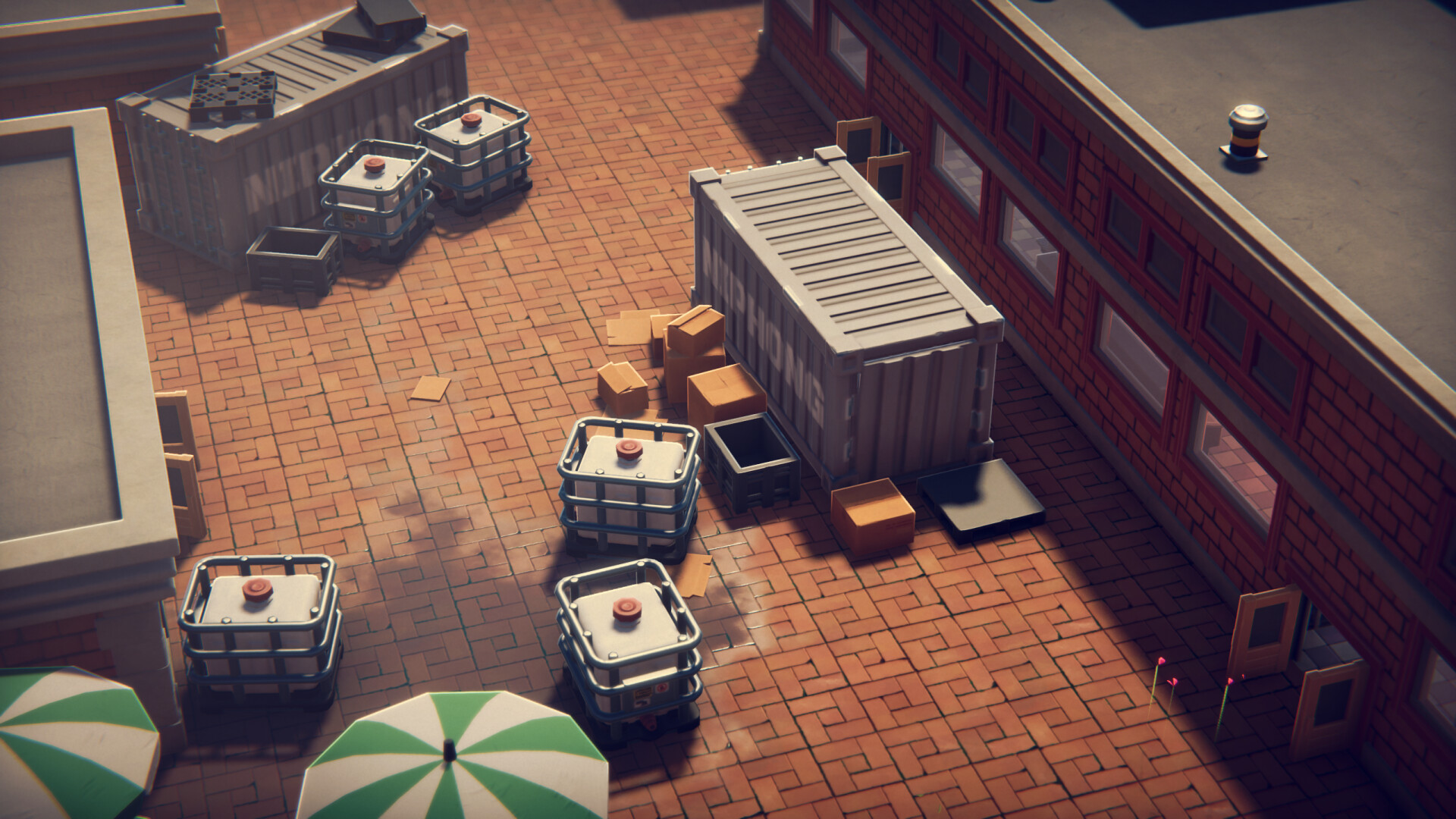
Team Soda was tiny. According to the studio's own account, the team had three members in its first year and grew to five in its second. The game was built in Unity.
The name Escape from Duckov started as an internal codename, a joke between the developers. They liked it so much that they kept it.
The duck came from the team's artist. When the artist drew the character, the decision to make the hero a duck was unanimous. It turned out to be the smartest marketing choice in the game: a duck with a rifle is funny, easy to recognise in a thumbnail and impossible to take too seriously.
How a raid works
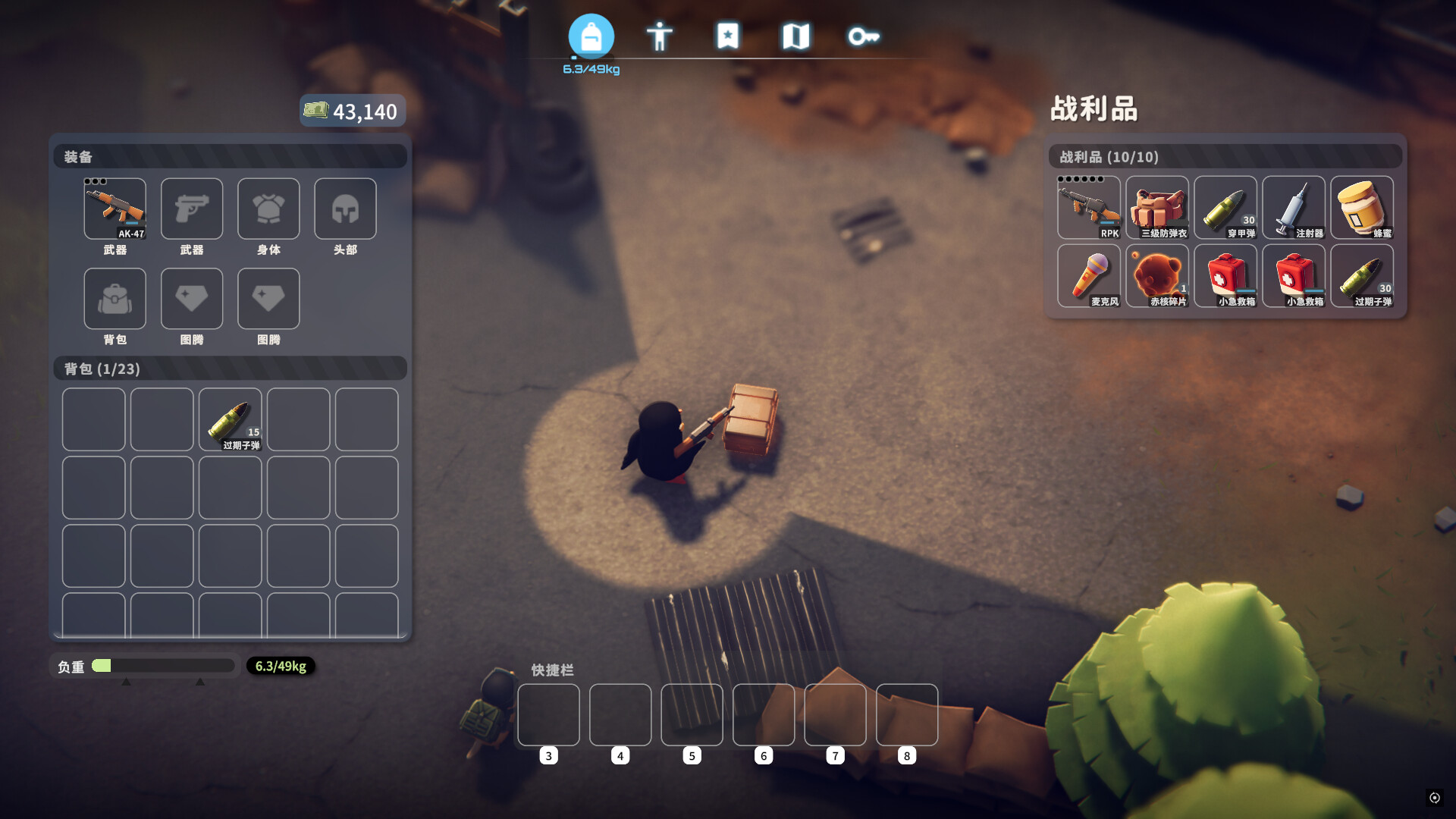
You start in a bunker that acts as your home base. A duck named Jeff is your first guide and quest-giver. As you build out the bunker, other ducks move in, unlocking new services.
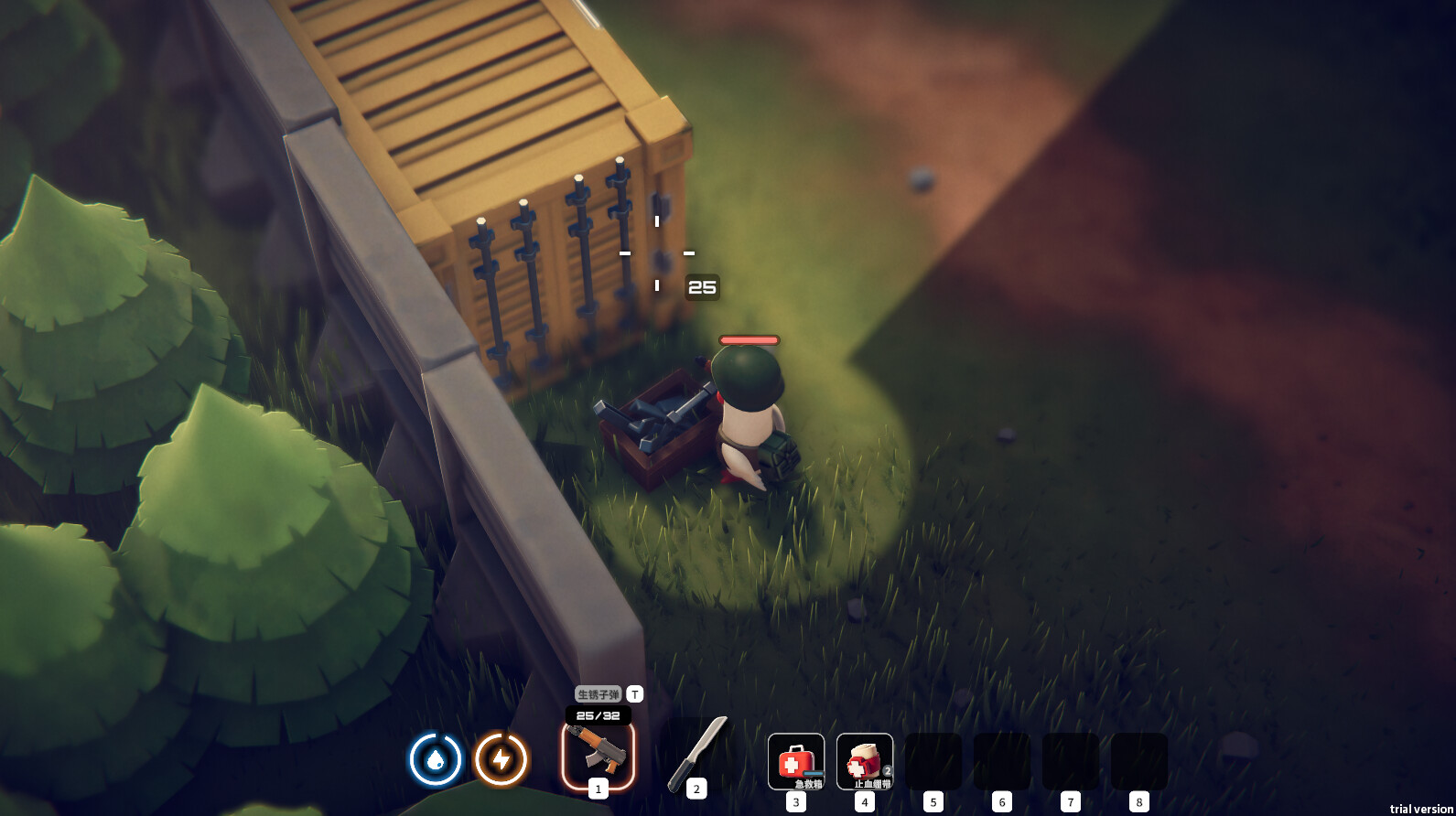
On each raid you carry two firearms, a melee weapon and attachments. You have to manage energy and hydration by eating and drinking, and treat status effects like bleeding with bandages. Push your luck, and a raid can turn into a tense crawl back to the exit with your health in the red.
There is also a story. The world is collapsing, and the goal is to escape the planet. A newcomer named Xiaoming builds an improvised spaceship for the group, and the ending depends on whether there is room for you, and whether you dealt with the air defence system first.
The climb, by the numbers
- 16 October 2025: release on Windows and macOS
- About 300,000: copies sold in the first three days
- 22 October 2025: 1 million copies
- 28 October 2025: 2 million copies
- 8 November 2025: 3 million copies
- 300,000+: peak concurrent players on Steam
- 3 to 5: size of the development team
- 77: Metacritic score ("generally favorable")
A bright spot for Bilibili
Bilibili is best known in China as a video platform, popular with anime, gaming and youth culture fans. It also publishes games, and the timing of Duckov's success was notable. In its third quarter of 2025, Bilibili reported that its games revenue had fallen 17%, and Yicai Global noted that the company was pinning hopes on its new hit.
For a big company, a five-person project is a cheap bet. Duckov shows why platforms like Bilibili keep small internal teams around: when one of those bets lands, it can make headlines around the world.
Why it caught fire
It solved a real pain point. Plenty of people love the idea of extraction shooters but hate being ambushed by sweaty veterans. Duckov offered the same rush of risk and reward with none of the player-versus-player stress.
It was funny. A duck in a helmet is instantly shareable. Clips of the waddling hero spread on Chinese and Western social media alike.
It respected its inspiration. Rather than mocking Tarkov, Duckov celebrated it. That goodwill paid off: a crossover with Escape from Tarkov launched on 10 February 2026, a rare case of a parody becoming an official partner.
Why a duck works
It is worth pausing on how much the hero does for the game. Extraction shooters usually star anonymous soldiers in grey armour, and their marketing looks like military recruitment footage. Duckov's key art looks like a cartoon. That single choice widened the audience enormously: parents, younger players and people who would never touch a hardcore shooter suddenly had a reason to click.
It also gave the team freedom. A duck world can be silly, so enemies, quests and items can carry jokes that would feel out of place in a grim war simulation. And because the art is stylised rather than photorealistic, a five-person team could actually finish it.
What critics said
Reviews were warm rather than ecstatic. The game holds a Metacritic score of 77, and 67% of critics on OpenCritic recommend it. Players were more generous: English-language Steam reviews sit at 93% positive. The usual praise is for its loot loop, charm and approachability. Critics who wanted more depth or variety in the late game were less convinced.
That gap tells you something. Duckov was never meant to be a hardcore masterpiece. It was meant to be the extraction shooter you can actually relax with, and for millions of players that is exactly what it is.
What to play next
If you enjoyed the loot loop, the original Escape from Tarkov is still the genre's heavyweight, though be ready for a much steeper learning curve. For a 2025 indie that went in the opposite direction, turning crime into a cosy management game, read our feature on Schedule I (Schedule I story). And for another Asian hit with a tiny team, see how two Japanese developers made 2026's surprise smash (Meccha Chameleon).
WGC's take: Escape from Duckov is a lesson in taking a scary genre and making it welcoming. It did not try to out-Tarkov Tarkov. It found the people Tarkov scared away, gave them a duck and let them play at their own pace.