EA's $55 Billion Buyout: How the Biggest LBO Ever Changed a Giant
Electronic Arts is now a private company owned mostly by Saudi Arabia's Public Investment Fund. Three months after the deal closed, the debt, the cost cuts and the closure of BioWare show what that means.
For almost four decades, anyone could own a slice of Electronic Arts. The company behind Madden, The Sims and Battlefield traded on the Nasdaq, reported its results every quarter and answered questions from analysts on live calls. On August 4, 2026, that ended.
That morning EA announced that its sale to a consortium of Saudi Arabia's Public Investment Fund (PIF), Silver Lake and Affinity Partners was complete. Shareholders received $210 in cash per share, the stock stopped trading, and EA became a private company in a deal valued at about $55 billion. It is widely described as the largest leveraged buyout in history.
A ten-month road to closing
The deal was announced on September 29, 2025. EA stockholders approved it at a special meeting on December 22, 2025, and the last regulatory approvals arrived on July 30, 2026. Closing followed five days later, roughly a month later than first planned.
The buyers are an unusual trio:
- PIF, Saudi Arabia's sovereign wealth fund, which had already been a minority investor in EA for more than five years. A filing put its ownership after closing at about 93.4%.
- Silver Lake, a large technology investment firm.
- Affinity Partners, a Miami investment firm founded in 2021 by Jared Kushner.
Andrew Wilson stays on as Chairman and CEO. "We're entering this next chapter from a position of strength with partners who share our vision and ambition," he said on closing day. Under him, Cam Weber leads the studios and David Tinson leads operations. EA's headquarters stay in Redwood City, California.
What a leveraged buyout actually is
"Leveraged" is the important word. In a leveraged buyout, the buyers pay for part of the company with borrowed money, and that debt then sits on the company they bought, not on the buyers.
Reports on the financing line up on the broad shape. PIF contributed roughly $36 billion, and about $20 billion was borrowed from JPMorgan. That debt now belongs to EA. Bloomberg's Jason Schreier put EA's debt at about $18 billion, with interest of roughly $1.8 billion a year, and one estimate described the jump in EA's debt load as about tenfold.
To pay for that, EA told debt investors it plans to cut about $700 million in annual costs, including $170 million described as "organizational efficiencies," according to Bloomberg. Analysts read that phrase as layoffs. Silver Lake's Egon Durban also said the group would back the use of AI in game development.
The business they bought
The buyers did not purchase a company in trouble. EA's fiscal year to March 31, 2026, its last full year as a public company, was its best ever by one key measure.
By the numbers (EA fiscal 2026):
- Net bookings: a record $8.03 billion, up 9%.
- Net revenue: $7.53 billion, up 1%.
- Net income: $887 million, down about 21%.
- Operating cash flow: $2.55 billion, up 23%.
- Live services revenue: about $5.38 billion.
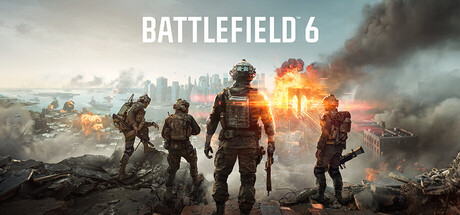
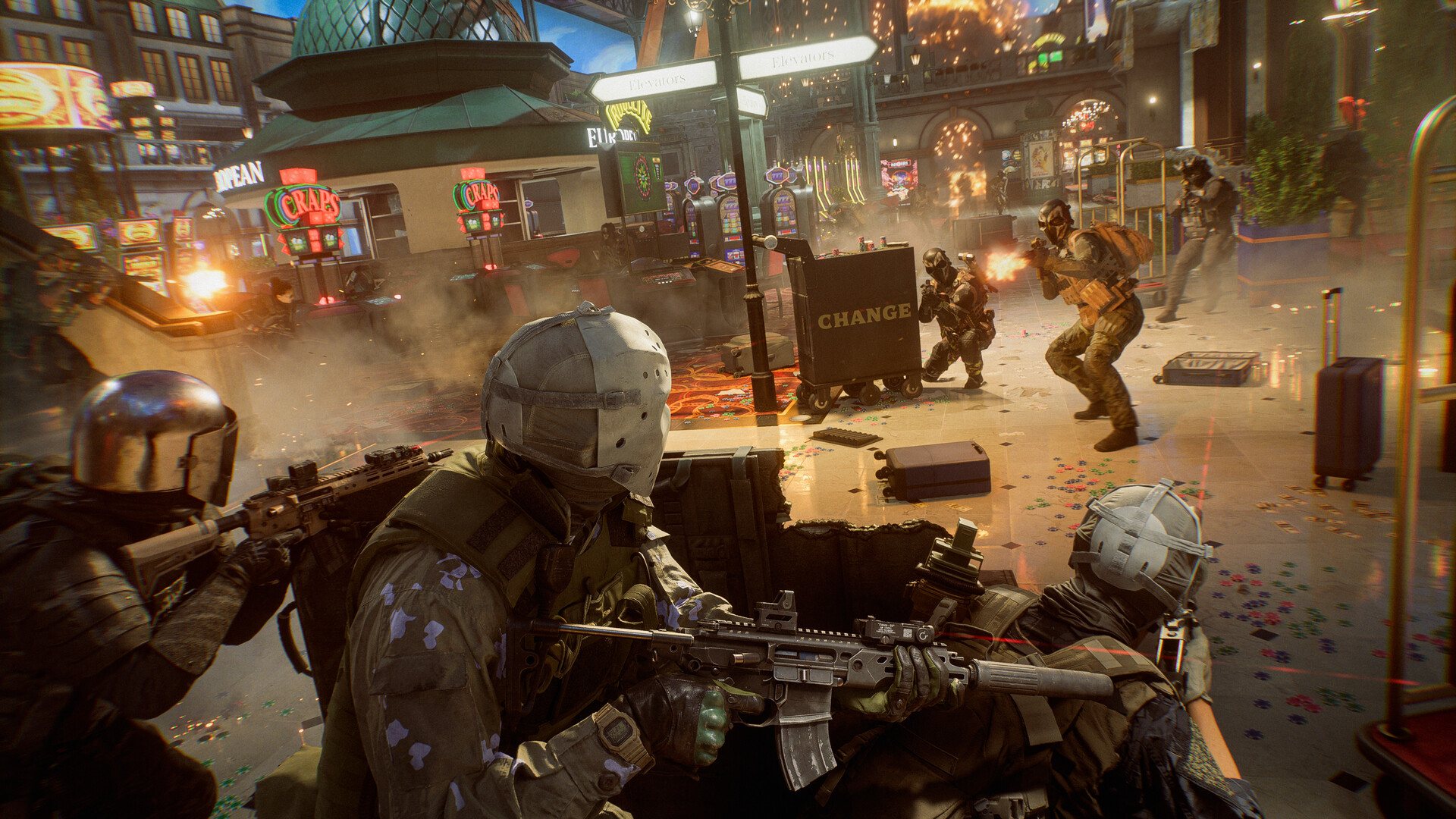
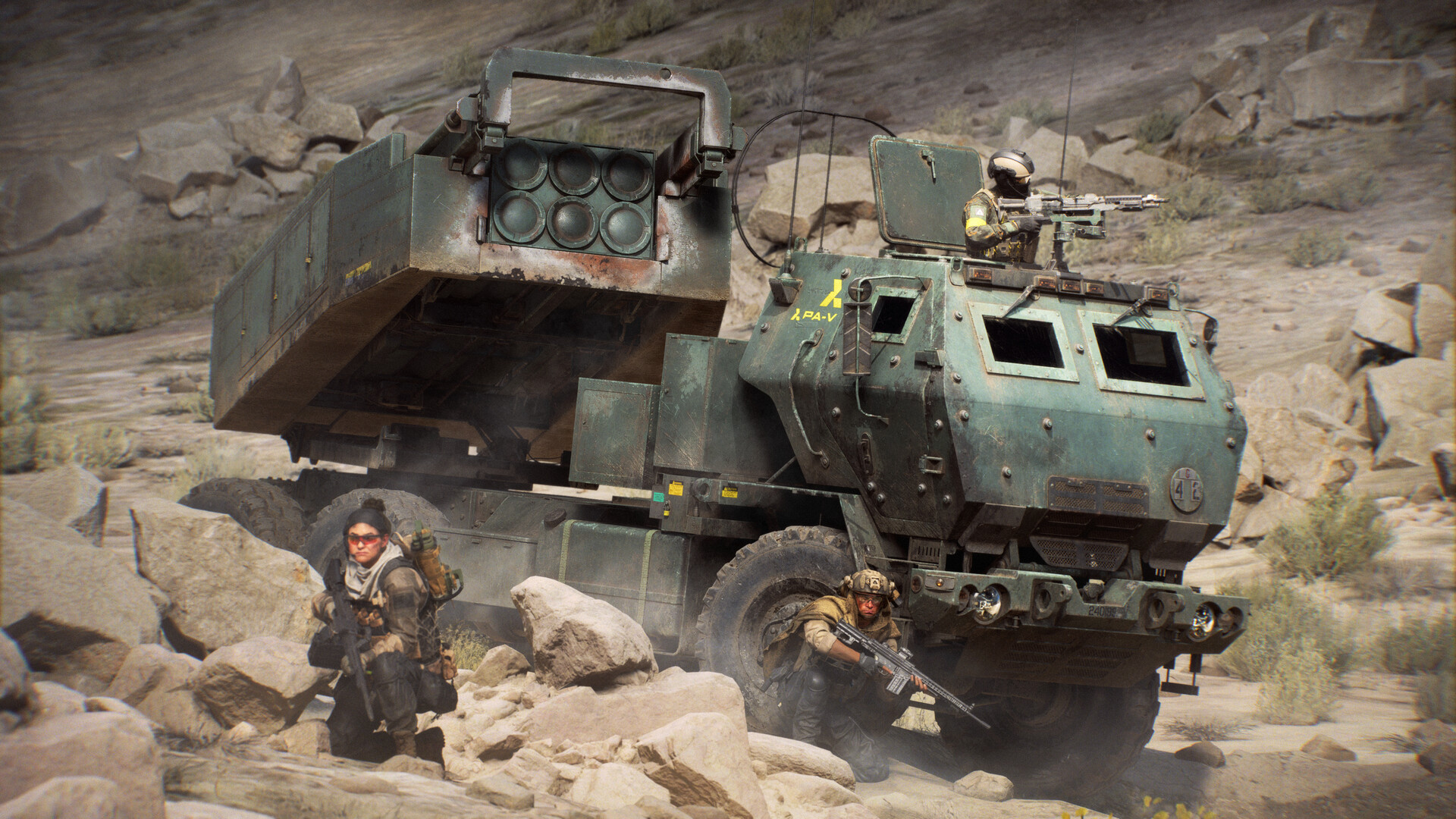
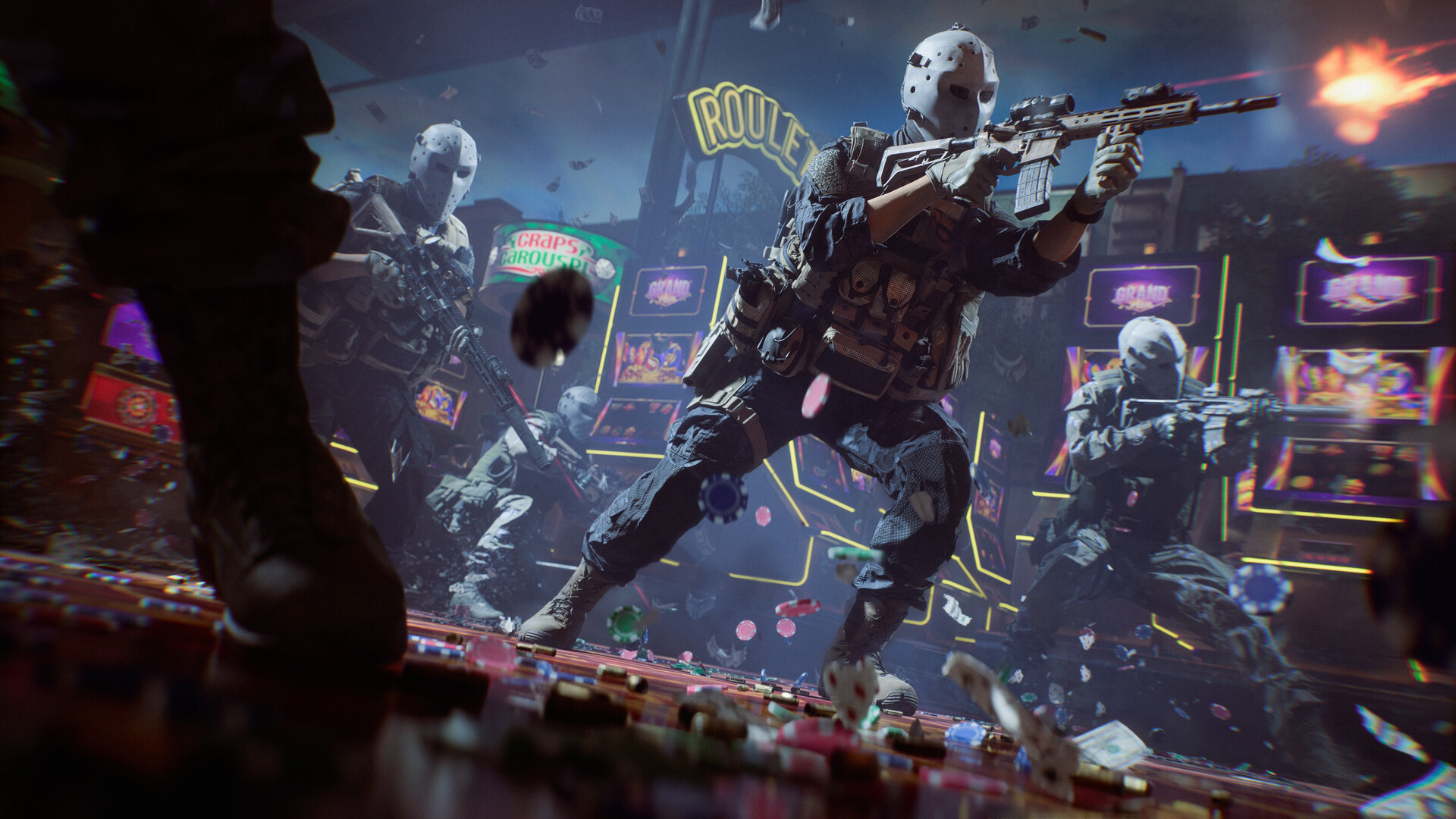
The star was Battlefield 6, which launched in October 2025 and which EA called the best-performing title in the franchise's history. Apex Legends grew net bookings by double digits for the year, and the EA SPORTS FC football business grew by a mid-single-digit percentage across FC 26, FC Online and FC Mobile. Because of the pending deal, EA skipped its usual earnings call in May.
In other words, EA was a steady cash machine with big recurring franchises. That steadiness is exactly what lenders like to see when they are asked to put billions of dollars of debt on a company.
There is a catch hidden in those figures. Net income fell even as bookings hit a record, and operating cash flow, the money that actually comes in the door, is what pays interest. About $2.55 billion of cash a year sounds comfortable until roughly $1.8 billion of it is spoken for by lenders. That gap is why the cost-cutting target matters so much.
The cuts, before and after
Job cuts did not wait for the deal to close. In 2025, Reuters reported that EA laid off 300 to 400 people, including about 100 at Respawn, and cancelled an unannounced Titanfall project. In March 2026, EA confirmed layoffs at four studios that worked on Battlefield 6: Criterion, DICE, Motive and Ripple Effect. The number was not disclosed.
The biggest blow came on October 21, 2026. EA announced about 400 job cuts, roughly 3% of its workforce, and the closure of BioWare, the studio behind Mass Effect and Dragon Age. About 50 BioWare employees were affected, and the next Mass Effect, which was in early development, was cancelled. COO David Tinson and studios chief Cam Weber wrote that "over the past several months, we've taken a hard look at our business." (Our BioWare story looks at the studio's 30-year history.)
What changes for players
In the short run, very little you can see. FC, Madden, The Sims, Apex Legends and Battlefield are all still running, and they are exactly the kind of steady earners a debt-financed owner needs. Analysts expect the pressure to show up in other ways:
- Fewer risky projects. New franchises and big single-player bets are the easiest things to cut when interest bills arrive. The BioWare closure fits that pattern.
- More monetisation. Schreier has predicted more aggressive monetisation, and EA's live services already bring in most of its revenue.
- Possible asset sales. Michael Futter of F-Squared said EA may need significant layoffs, studio closures or sales of IP to service its debt.
- Less transparency. As a private company, EA no longer has to publish quarterly results, so outsiders will see far less of how its games perform.
Why it matters
The EA deal is the clearest example of a wider shift: Saudi money is now one of the most important forces in the global games business. PIF owns most of EA, and its games company Savvy has also agreed to buy Moonton, the maker of Mobile Legends. We follow that thread in our look at Saudi Arabia's games spending.
It also shows how quickly a "position of strength" can come with conditions. EA entered the deal with record bookings and a hit Battlefield. It leaves its first private quarter with a studio closure, a cancelled Mass Effect and a cost target of hundreds of millions of dollars a year. Both things are true at once, and that is the real story of a leveraged buyout.
What to watch
- Further cuts. The $700 million cost target is far bigger than the savings from 400 jobs, so more restructuring is likely.
- The franchises. Watch for news on Mass Effect, Dragon Age, Titanfall and other series without an active studio.
- Battlefield's second year. As EA's biggest recent hit, its live service will carry a lot of weight.
- Pricing. Any change to EA Play subscriptions or in-game pricing will be one of the few visible signals from a company that no longer reports in public.