Dragon Quest VII Reimagined: Japan's Best-Selling PlayStation Game, Rebuilt as a Diorama
The longest, loneliest Dragon Quest came back in February 2026 with a toy-box look, a dual-class system and a slimmer story. Here is what Square Enix changed, what it cut, and why this epic deserved another chance.
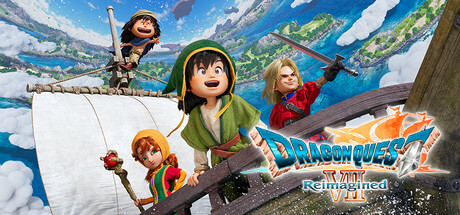
In August 2000, the original Dragon Quest VII sold 3.57 million copies in Japan in just 17 days. It went on to become the best-selling PlayStation game in Japan, beating everything from Final Fantasy to Gran Turismo on its home turf. Square, the maker of Final Fantasy, even moved Final Fantasy IX to a later date to stay out of its way.
Twenty-six years later, Square Enix has rebuilt it from the ground up. Dragon Quest VII Reimagined launched on February 5, 2026 on Nintendo Switch, Switch 2, PS5, Xbox Series X|S and PC, after a free demo on January 7. Producer Takeshi Ichikawa described it as "re-built from the ground up", and it shows.
A world made of islands
Dragon Quest VII starts with almost nothing. The hero lives on Estard, which he and his friends believe is the only island in the world. By finding ancient tablet fragments, they travel into the past, save forgotten islands from disaster and bring them back into the present, slowly rebuilding the map. It is a game about restoring a lost world, piece by piece.
That structure made the original famously long, and famously slow to get going. The new version keeps the idea but trims the journey.
A toy box you can walk through
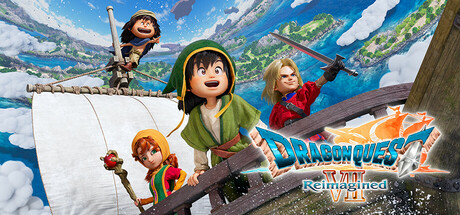
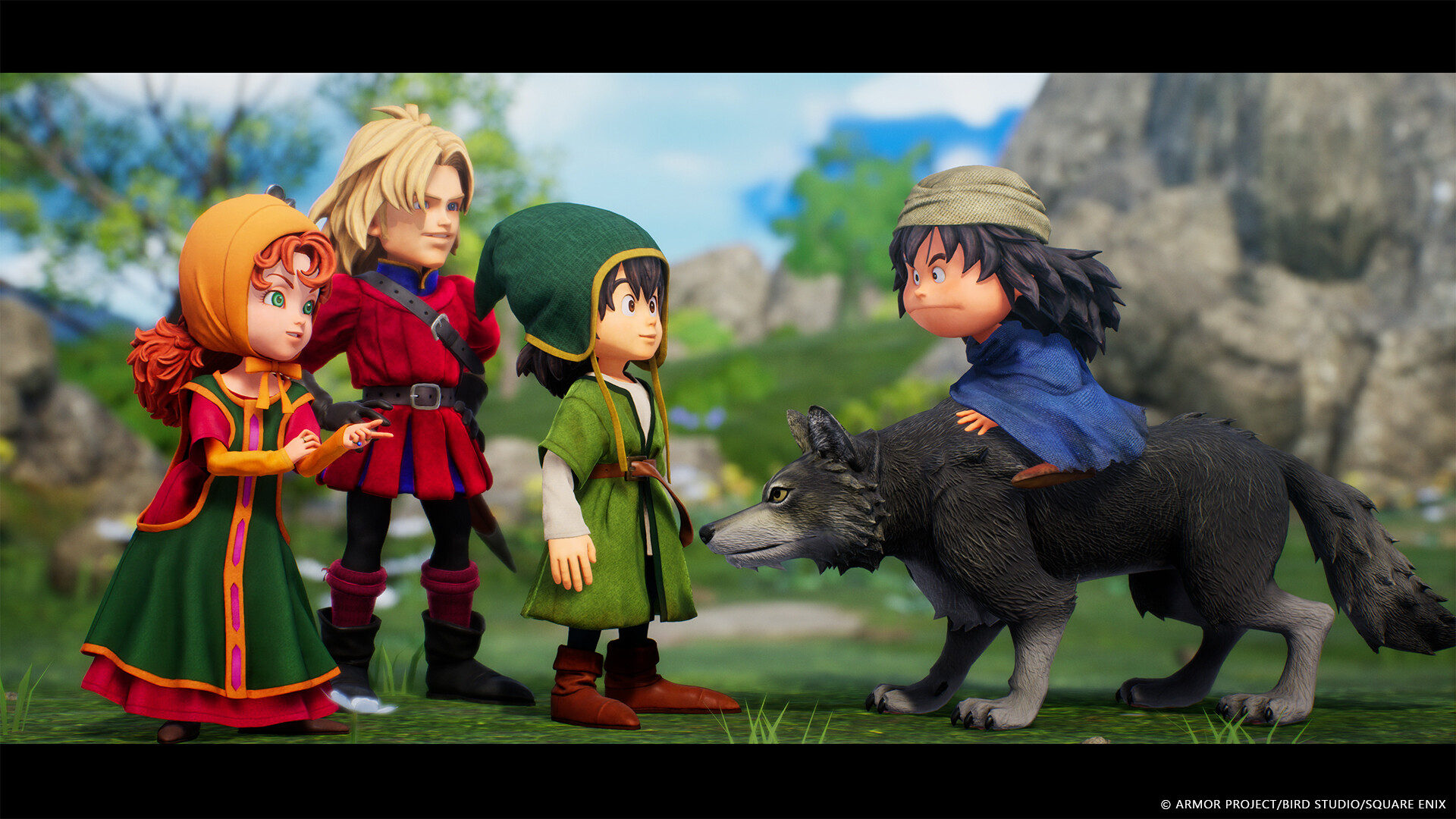
The most obvious change is the look. Reimagined builds its environments to resemble dioramas, miniature scenes you might find in a museum case, which Ichikawa called a "new challenge" for the team. Akira Toriyama's character designs and Koichi Sugiyama's music, both from the original, remain at the heart of it.
The class system has been reworked too. The various monster classes of the original are replaced by a single advanced class, Monster Master, and characters can now hold two classes at once, with a new "Moonlight" second class and "Vocational Perks". There are many smaller quality-of-life improvements across the game.
What got cut
Not everything survived. To streamline the game, Square Enix removed several side activities: the Haven town-building, the Excellence Grading Organization, Monster Meadows and most casino games. A Battle Arena takes the casino's place, and the main story itself was tightened.
Some long-time fans will miss those extras. For many players, though, the old Dragon Quest VII was the one they never finished, and a shorter, sharper version may be exactly what it needed.
Third time lucky
This is the game's second remake. A Nintendo 3DS version came out in Japan in February 2013 and worldwide in 2016 as Fragments of the Forgotten Past, adding visible enemies instead of random battles and a fresh English translation. That version sold more than 800,000 copies in its first week in Japan.
Why it matters
Reimagined is part of Square Enix's broader effort to keep Dragon Quest alive while fans wait for the next numbered game, following its HD-2D remakes of the first three entries. By releasing on five platforms at once, including the original Switch, it reaches more players than any Dragon Quest VII before it. For JRPG fans who skipped this epic because of its reputation, there has never been a friendlier way in.
For more on Square Enix's next main entry, read our report on Dragon Quest XII's restart.