Destiny: Rising's First Month: A Big Name, a $10 Million Start and an American Audience
NetEase put Bungie's sci-fi shooter in your pocket with an alternate timeline and 90fps gunplay. The launch was solid rather than spectacular. What the numbers say, and what it needs next.
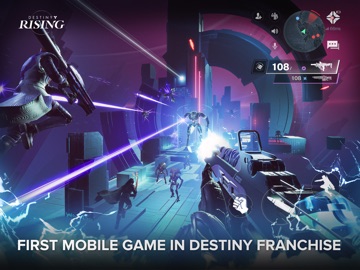
For more than a decade, Destiny has been a console and PC ritual: friends gathering on a weeknight to run a raid, chasing a rare gun, arguing about the lore. In August 2025, that ritual moved onto phones. Destiny: Rising, made by NetEase Games under licence from Bungie, launched worldwide on 28 August 2025 for iOS and Android.
The early numbers were solid, if not explosive. After more than 5 million pre-registrations, the game earned about $10.2 million from the App Store and Google Play in its first month, according to AppMagic estimates. Its biggest day was launch day, at about $553,000. About two-thirds of all spending came from the United States.
Destiny, but not quite
Rising is set in an alternate timeline of the Destiny universe, which gives NetEase room to tell new stories without contradicting the main series. You still fight as a Guardian with space magic and big guns, but the structure is different. Instead of a single customisable character, you unlock a cast of heroes with their own abilities, a design closer to hero shooters and gacha RPGs than to Destiny 2.
The shooting is where it shines. On higher-end iPhones, the game runs at 90 frames per second, and its gunplay has been widely praised as feeling like Destiny. That is no small achievement: Bungie's gun feel is one of the most admired in the industry.

A launch with a wobble
The rollout had a strange hiccup. On release day Rising ranked third among the App Store's most downloaded games and passed 1 million iOS installs, but it did not appear on the Google Play charts at all until 4 September. Spending on Android only became visible from then.
After the launch-day peak, daily spending fell to about $193,000 within six days, then rose again: about $400,000 on 4 September when it started ranking on Google Play, and $460,000 on 12 September, the day after its first big season, Season of Daybreak, began.
An American game
The market split is unusual for a NetEase title. The US brought in about $6.8 million, 66% of the total. The UK followed at 6% and Germany at 4%. That reflects Destiny's fan base, which has always been strongest in North America, and it is the opposite of most Chinese-made mobile hits, which lean on Asia.
The season structure matters here. Destiny on console has always lived on a calendar of seasons, events and expansions, and Rising follows the same rhythm with new heroes, story missions and limited-time modes. Each new season is a chance to win back players who drifted away after launch week.
That raises a big question, one analysts have openly asked: can a full launch in China, the world's biggest mobile market, give Rising the scale it needs? NetEase knows that market better than anyone, but Destiny is a far less familiar brand there than in the West.

WGC's take
Destiny: Rising proved one important thing: Destiny's shooting can work on a touchscreen. Its first month was respectable, not a blockbuster, and the reliance on American players shows both its strength and its limit. The next year will be about content. Destiny fans are famously hungry for new raids, guns and stories. If NetEase can feed that appetite on a steady schedule, Rising can grow. If not, the Guardians will simply drift back to their consoles and PCs.