China's Games Market Hits a Record ¥351 Billion, and the PC Is Back
China's players spent more than ever in 2025, licences flowed at the fastest pace since 2018, and Chinese studios earned over $20 billion abroad. The first half of 2026 brought a twist: PC games growing four times faster than mobile.

Five years ago, the biggest question about China's games market was whether the government would let it grow at all. In 2021 regulators stopped approving new games for months and capped how long minors could play online. Shares in Tencent and NetEase slumped, and studios laid off staff.
That era is over, at least for now. China's domestic games revenue reached a record 350.79 billion yuan (about $48.3 billion) in 2025, up 7.68%, according to the annual China Game Industry Report released in Shanghai in December 2025. Players also hit a record 683 million. Chinese-developed games earned $20.46 billion overseas, up 10.23%. And in the first half of 2026, revenue grew even faster, by 12.17% to 188.45 billion yuan.
Here is how the world's biggest single games market got its swagger back.
A record year, by the numbers
The headline figure for 2025 is the first time China's games industry has passed 350 billion yuan in domestic sales. By Newzoo's global ranking, China is the largest games market on Earth, a hair ahead of the United States.
Growth was strongest early in the year. In the first half of 2025, revenue rose 14.1% to 168 billion yuan, the fastest pace in five years. Mobile games made 125.3 billion yuan of that, about three quarters, while PC client games earned 35.4 billion yuan. Console, despite all the attention it gets, made only about 1.03 billion yuan.
The player count is a different story. China added only about 0.7% more players in the first half of 2025, the fourth straight year of growth below 1%. Almost everyone in China who wants to play games already does. Growth now comes from people spending more.
The licence tap is open
Every game sold in China needs a licence from the National Press and Publication Administration (NPPA). That makes the monthly approval list one of the most closely watched documents in the industry.
In 2025 the NPPA approved 1,771 games, up 25.07% from 1,416 in 2024 and the highest total since 2018, according to Niko Partners. Of those, 1,676 were domestic and 95 were imported. Approvals averaged about 147 a month, with a peak of 184. The regulator also approved 139 games for multiple platforms, a sign that more Chinese studios are building for PC and console as well as phones.
For foreign publishers, the steady flow matters as much as the total. A licence is the difference between a game that can be planned, marketed and launched in China and one that sits in limbo. Korean companies in particular, which once waited years for approvals, have seen relations with Beijing improve, according to Niko Partners.
The contrast with the bad years is stark. In 2018 and again in 2021-22, approvals stopped entirely for months at a time. Today, imported licences arrive at a steady nine or ten a month.
Mini-games and the WeChat effect
The fastest-growing part of China's market is one most Western players have never seen: mini-games, small titles that run inside apps such as WeChat and Douyin without a separate download.
They made 23.3 billion yuan in the first half of 2025, up 40.2%, and 31.66 billion yuan in the first half of 2026, up 36.01%. About two thirds of that now comes from in-game purchases and one third from advertising. A 2026 report by Omnicom Media China counted more than 500 million monthly users of WeChat mini-games alone.
Big companies are joining in. Giant Network's Supernatural Action Team, which started life as a mini-game and grew into a multi-platform hit, had more than 200 million registered users and more than 5 billion yuan in gross revenue by the end of the first quarter of 2026, according to the industry report.
Mini-games matter because they reach people who would never install a 20-gigabyte RPG, and because they let small studios reach a huge audience with tiny budgets.

2026's surprise: the PC comeback
The first half of 2026 brought the most surprising number in years. PC game revenue grew 27.92% to 45.29 billion yuan, about four times the growth rate of mobile, which slowed to 7.9% at 135.21 billion yuan. Mobile's share of the market fell to about 72%, and PC's rose to about 24%, up from 22% in 2025.
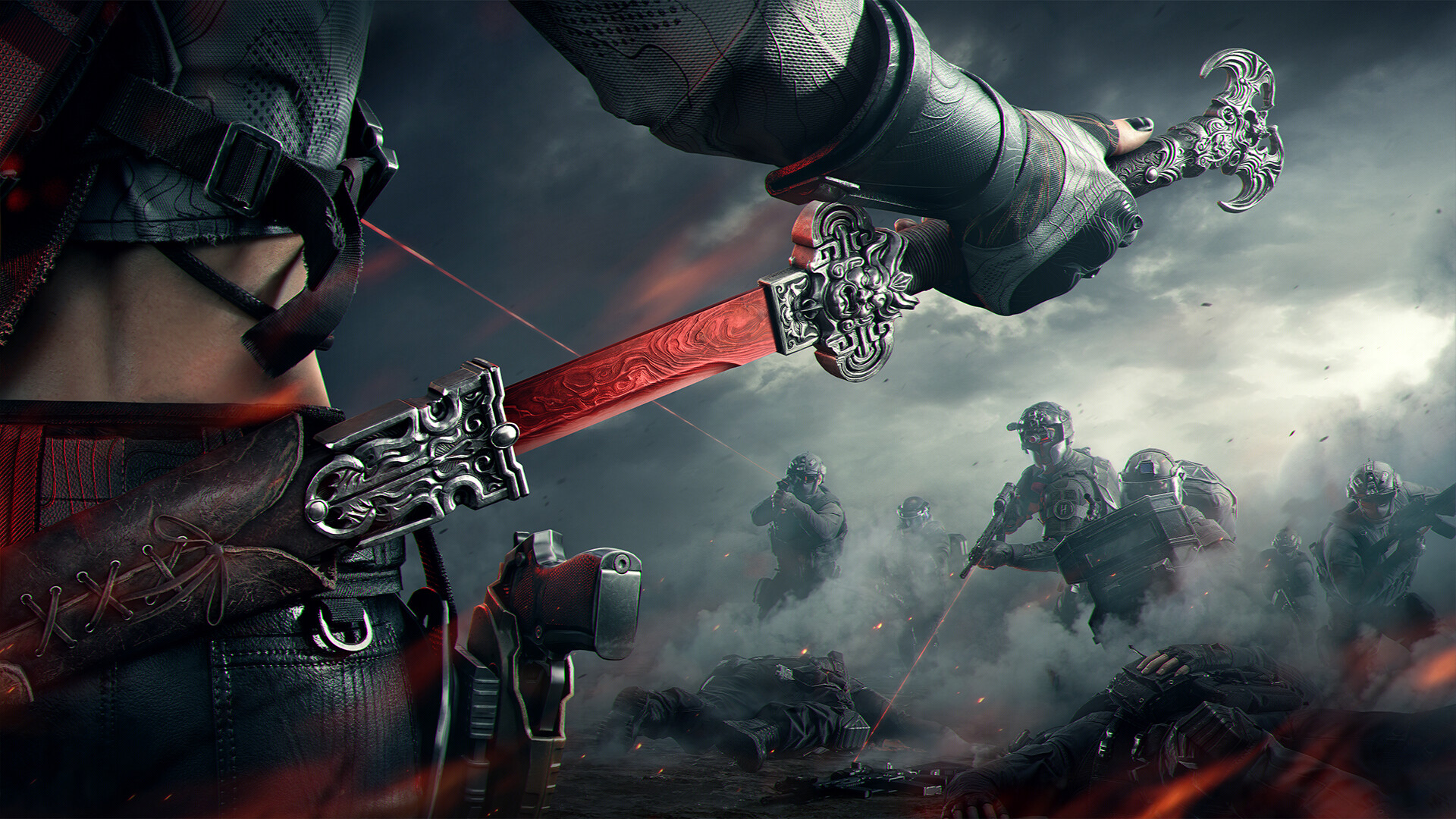
The industry report credited cross-platform launches and long-running PC hits. Tencent's shooter Delta Force has passed $900 million in revenue, according to the report, and NetEase's martial-arts game Where Winds Meet reached more than 80 million players worldwide. NetEase's Naraka: Bladepoint has sold more than 25 million copies.
The old giants are still enormous, too. The report put Honor of Kings' cumulative global revenue at more than $17.5 billion, and said AI tools are now used in 86% of Chinese games in some part of development, from art and testing to customer service.
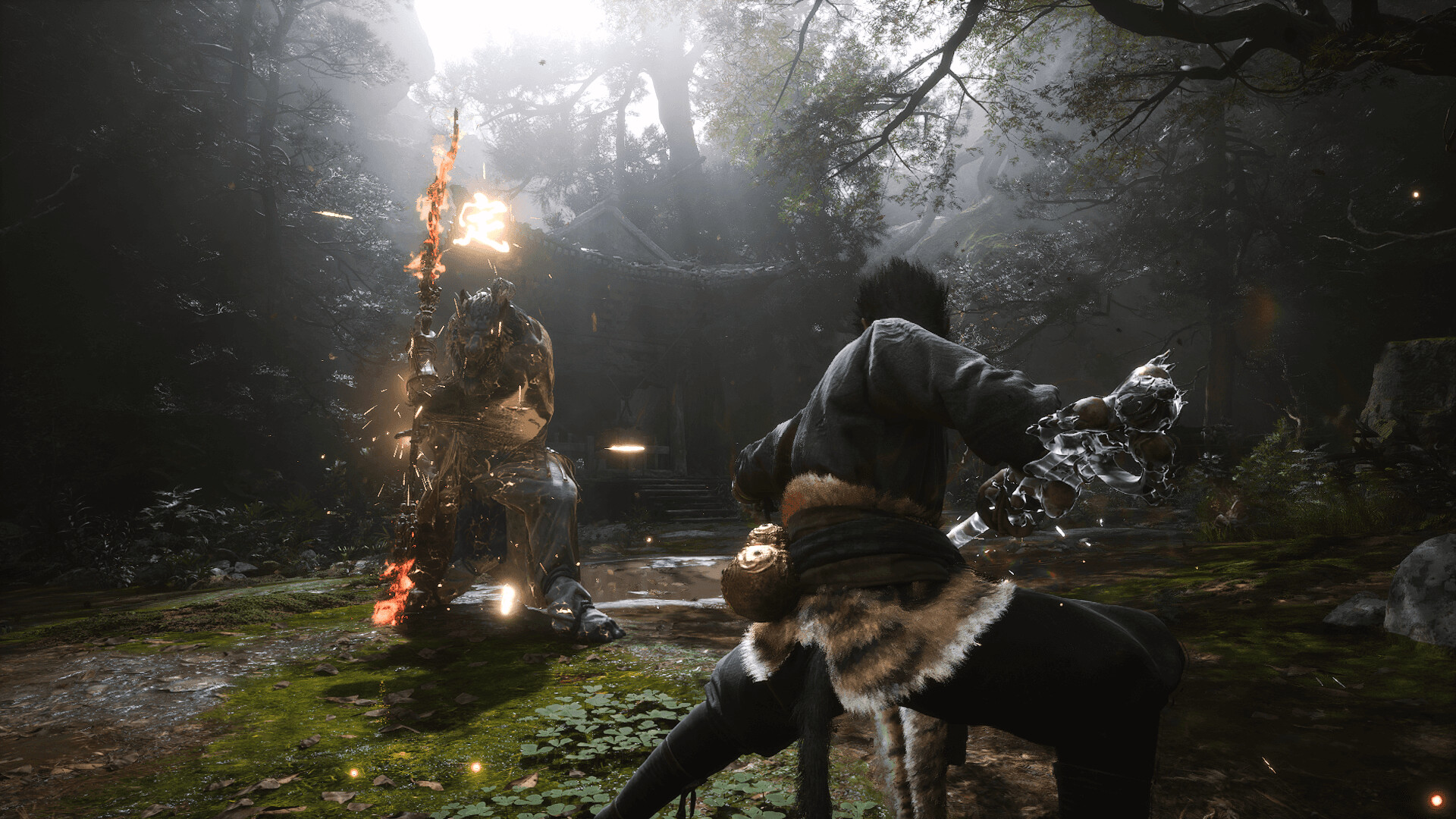
Not everything grew. Console revenue fell 7.06% to 961 million yuan, a hangover from 2024, when Black Myth: Wukong gave console sales a once-in-a-decade spike. And revenue from anime-style mobile games fell 8.97% to 13.27 billion yuan, as older hits faded faster than new ones could replace them.
By the numbers
- 350.79 billion yuan: China's domestic games revenue in 2025, a record, up 7.68%.
- 683 million: players in 2025; 684 million by mid-2026.
- $20.46 billion: overseas revenue of Chinese-developed games in 2025.
- 1,771: games approved by the NPPA in 2025, most since 2018.
- 188.45 billion yuan: domestic revenue in H1 2026, up 12.17%.
- +27.92%: PC games growth in H1 2026, versus +7.9% for mobile.
Why it matters
China's games industry is no longer just a giant domestic market with a nervous regulator. It is a global exporter, with Chinese studios earning more than $20 billion a year abroad, and Chinese games now compete for players' time in Korea, Japan and the United States as hard as any Western publisher.
The return of PC growth also matters. For a decade, the assumption was that China was a mobile-first market and would stay that way. Delta Force, Where Winds Meet and Naraka suggest that high-end, cross-platform games can still grow fast, which helps explain why so many Chinese studios now chase global PC and console audiences.
WGC's take: the licence approvals are the number to watch. As long as the NPPA keeps the tap open, Chinese studios can plan big projects with confidence. The scars of 2018 and 2021 suggest nobody should assume it stays open forever.
What to watch
- The 2026 China Game Industry Report, due in December, and whether the full year matches the 12% first-half pace.
- Monthly NPPA approvals, especially for imported games, including Korean titles.
- Black Myth: Zhong Kui and other Chinese premium games aimed at global audiences; see our profile of Game Science.
- Tencent's results, the best single gauge of the market, which we track in our Tencent Q2 2026 story.