Buried, Pulled and Reborn: The Biggest Flops and Comebacks in Games
Cartridges in a desert landfill. A console that lasted barely a year in Japan. A shooter switched off after two weeks. And three games that came back from the dead. What the industry's worst moments teach it.
On April 26, 2014, a film crew and a crowd of fans stood in a landfill in Alamogordo, New Mexico, and watched diggers pull up crushed Atari cartridges. Among them were copies of E.T. the Extra-Terrestrial, the game that had become shorthand for everything that went wrong in the American games business in the early 1980s.
Every industry has its disasters. Games have more than most, because they are expensive, fragile and made in public. But games also have something rarer: genuine comebacks, where a broken product is rebuilt into one of the best of its kind. Here are the most instructive of both.
The flops
E.T. and the desert burial
Atari's E.T. was built for the 1982 holiday season after long licensing talks left programmer Howard Scott Warshaw only about five weeks to make a full game. The result was confusing to play and arrived in a market already flooded with low-quality cartridges.
In September 1983, Atari buried truckloads of unsold stock in the Alamogordo landfill. The story turned into legend, with claims of millions of E.T. cartridges under the sand. The 2014 dig unearthed about 1,300 cartridges out of an estimated 700,000 cartridges of many different games buried there. Warshaw himself has doubted that millions of copies were ever destroyed. The crash it symbolises is covered elsewhere on WGC; the point here is how one rushed licence became the industry's most famous cautionary tale.
Virtual Boy
Nintendo's Virtual Boy launched in Japan on July 21, 1995, and in North America on August 14, 1995, at $179.95. It was a table-mounted headset that showed 3D images in red and black. Players complained of eye strain and neck ache, the library was thin, and the price was high.
Nintendo discontinued it in Japan in December 1995 and in North America in 1996. It sold about 770,000 units worldwide, with only 22 games released in total. Its designer, Gunpei Yokoi, creator of the Game Boy, left Nintendo soon after; Nintendo said the timing was coincidental.
Concord
The modern flop is quicker and more expensive. Concord, a hero shooter from Sony's Firewalk Studios, launched on August 23, 2024, on PS5 and PC at $40, in a market dominated by free-to-play rivals. On Steam it peaked at just 697 concurrent players. Sony announced it would take the game offline on September 6, 2024, about two weeks after launch, and refunded buyers in full. The game had been in development for about eight years, and Sony later closed the studio.
Concord's lesson is about timing and pricing more than quality. Players who might have tried it free never had a reason to pay.
The comebacks
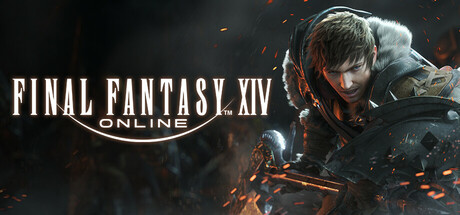
Final Fantasy XIV: the reboot that saved an MMO
The original Final Fantasy XIV launched on PC on September 30, 2010, and scored 49 on Metacritic. It was so badly received that Square Enix suspended subscription fees in December 2010, replaced its leadership and handed the game to Naoki Yoshida as producer and director. At the 2011 Tokyo Game Show, then-president Yoichi Wada apologised, saying the Final Fantasy brand had been "greatly damaged".
Yoshida's team kept the old game running while building a new one. On November 11, 2012, the original servers shut down after an in-game cataclysm in which the moon Dalamud fell on the world. The relaunch, A Realm Reborn, arrived on August 27, 2013, and it turned FFXIV into one of the most successful subscription MMOs in the world.
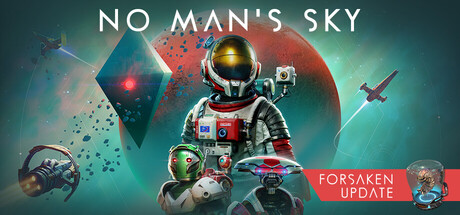
No Man's Sky: ten years of free updates
No Man's Sky launched on PS4 on August 9, 2016, in North America, carrying impossible expectations. Players found far less than they had expected, and Hello Games went quiet. Then it started shipping updates, one after another, for free.
Ten years later, in an anniversary letter on August 10, 2026, Hello Games founder Sean Murray counted 40 major updates, all free, and said 2026 had brought the game's highest player numbers since launch. He teased the next one, called COSMOS. The game has also won awards for best evolving game, including from The Game Awards and BAFTA.
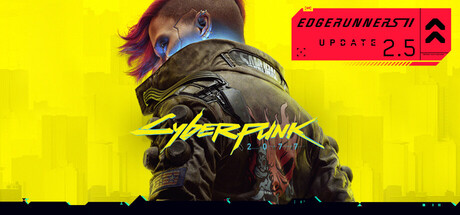
Cyberpunk 2077: from refunds to 40 million
Cyberpunk 2077 launched on December 10, 2020, after years of hype. On PC it was rough; on PS4 and Xbox One it was close to unplayable. Within days Sony pulled the game from the PlayStation Store and offered refunds, a rare step for a major release, and CD Projekt apologised and promised fixes.
The repair took years. The 2.0 update and the Phantom Liberty expansion in September 2023 rebuilt core systems, and players returned. By July 2026, CD Projekt said Cyberpunk 2077 had sold more than 40 million copies, and it is now the company's main source of revenue.
By the numbers
- 5 weeks: time Warshaw had to make E.T.
- 1,300: cartridges unearthed in Alamogordo in 2014
- 770,000: Virtual Boy units sold worldwide
- 697: Concord's peak concurrent players on Steam
- 49: original Final Fantasy XIV's Metacritic score
- 40: major free updates to No Man's Sky in ten years
- 40 million+: Cyberpunk 2077 copies sold by July 2026
What the industry learned
The flops share a pattern: products launched for a date or a market slot rather than for players. E.T. had to hit Christmas. The Virtual Boy was released before its technology was comfortable. Concord was a premium game in a free-to-play genre.
The comebacks share one too. Each studio admitted the problem in public, kept supporting the game, and gave players a reason to return without paying again. Final Fantasy XIV rebuilt from scratch. No Man's Sky never charged for its big updates. Cyberpunk 2077's fixes were free, and only the expansion cost money.
There is also a hard business truth behind these stories. A comeback costs money that produces no new sales at first: salaries for a team fixing an old game instead of making a new one, free content that existing owners do not pay for, and marketing to win back players who already feel burned. Hello Games, Square Enix and CD Projekt could afford that because they believed in the game and had the cash or the backing to wait. Most studios behind a failed launch do not get that chance.
WGC's take: a bad launch used to be the end of a game. In the age of live updates, it can be the start of a long apology that ends in a hit, but only if the company is willing to spend years and money proving it. Most are not, which is why these comebacks are still stories.
For another big turnaround, read how Sega lost the console war but survived as a publisher.
What to play next
- No Man's Sky on PC, PlayStation, Xbox and Switch 2, ahead of the COSMOS update.
- Cyberpunk 2077 with Phantom Liberty, the version that turned the story around.
- Final Fantasy XIV Online, which offers a generous free trial for new players.
- And, for the curious, the Virtual Boy library on Nintendo Switch Online, red-and-black 3D included.