From a Digital Tournament Book to Fortnite: How the Battle Pass Took Over Games
In 2013 Valve sold Dota 2 fans a virtual programme for its world championship and put a quarter of the money in the prize pool. Twelve years later, almost every big game sells a battle pass. The story of gaming's most copied idea.
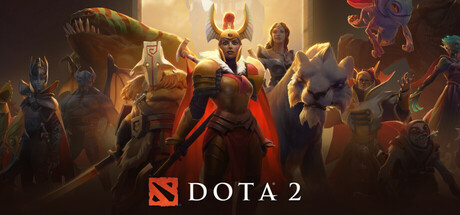
In May 2013, Valve put something new on sale inside Dota 2: a Compendium for The International 2013, its world championship. It was a digital programme book with tournament information, predictions and fantasy Dota, plus cosmetics and rewards. The twist was that 25% of every sale went into the tournament's prize pool.
Players bought it in huge numbers. The prize pool started at $1.6 million and finished at $2,874,380. Without quite meaning to, Valve had invented the battle pass, the most widely copied business model in modern games.
The Compendium years
The idea grew fast. For The International 2014, the Compendium had 1,000 levels, and the prize pool climbed from $1.6 million to $10,923,977. Valve kept 75% of sales, so the more fans gave to the pool, the more Valve earned; PC Gamer estimates its share that year at almost $28 million.
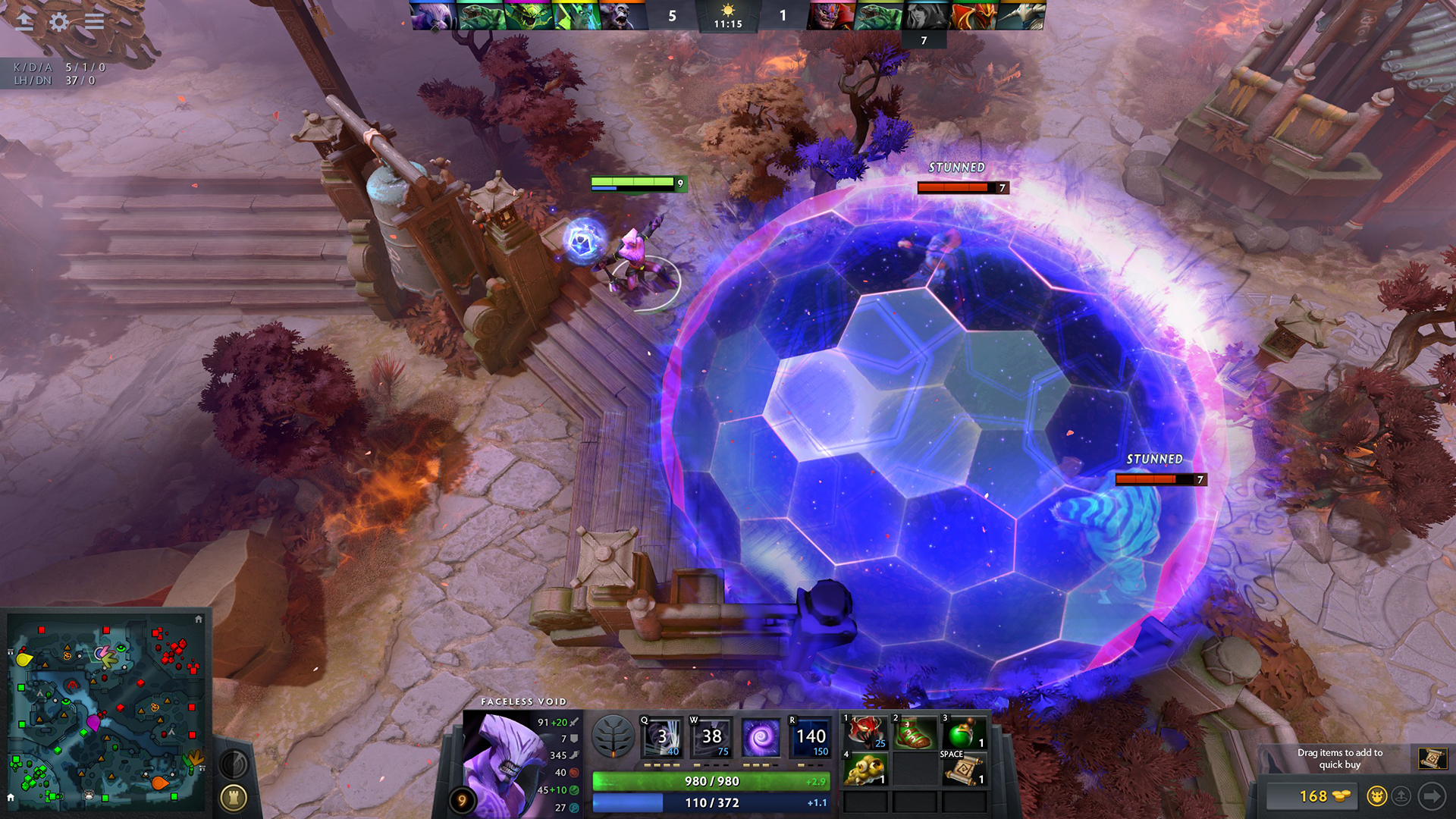
In 2016, Valve renamed the Compendium the Battle Pass, and in 2018 it added a monthly subscription, Dota Plus. The model peaked at The International 10 in 2021, when crowdfunding through the battle pass pushed the prize pool to $40,018,195, the largest of any single esports event.
Fortnite makes it universal
Dota's pass was tied to one event. Fortnite turned the idea into a permanent cycle. Its Season 2 in December 2017 introduced a seasonal Battle Pass: pay once, play to unlock tiers of cosmetics, and earn enough V-Bucks along the way to buy the next season's pass if you finish it.
That last detail was crucial. It made the pass feel like a reward for playing rather than a purchase, and it kept players coming back every season. When Fortnite exploded in 2018, analyst Michael Pachter estimated that Epic sold more than five million passes on the first day of Season 3, worth over $50 million.
Within two years, battle passes were everywhere. Call of Duty: Modern Warfare added free and premium passes in October 2019. Apex Legends, PUBG Mobile, Clash Royale, Brawl Stars and many more followed. Some Chinese mobile games had used similar systems earlier, but Fortnite made the battle pass the default.
Why studios love it, and why players argue about it
For studios, the battle pass solves several problems at once. It brings in predictable revenue every season, gives players a reason to log in daily, and sells cosmetics without the randomness of loot boxes. As loot boxes came under pressure from regulators in the late 2010s, battle passes looked like a safer alternative.
For players, the pass can feel like great value: a season of rewards for the price of a cheap game. But critics say it turns play into a chore. The best rewards sit at the end, so players either grind for hours or pay to skip tiers. Limited-time cosmetics create fear of missing out. And in shooters, players chasing challenges can play worse for their team. Overwatch 2 drew heavy criticism for putting new heroes in its pass and reversed that in 2024.
The inventor walks away
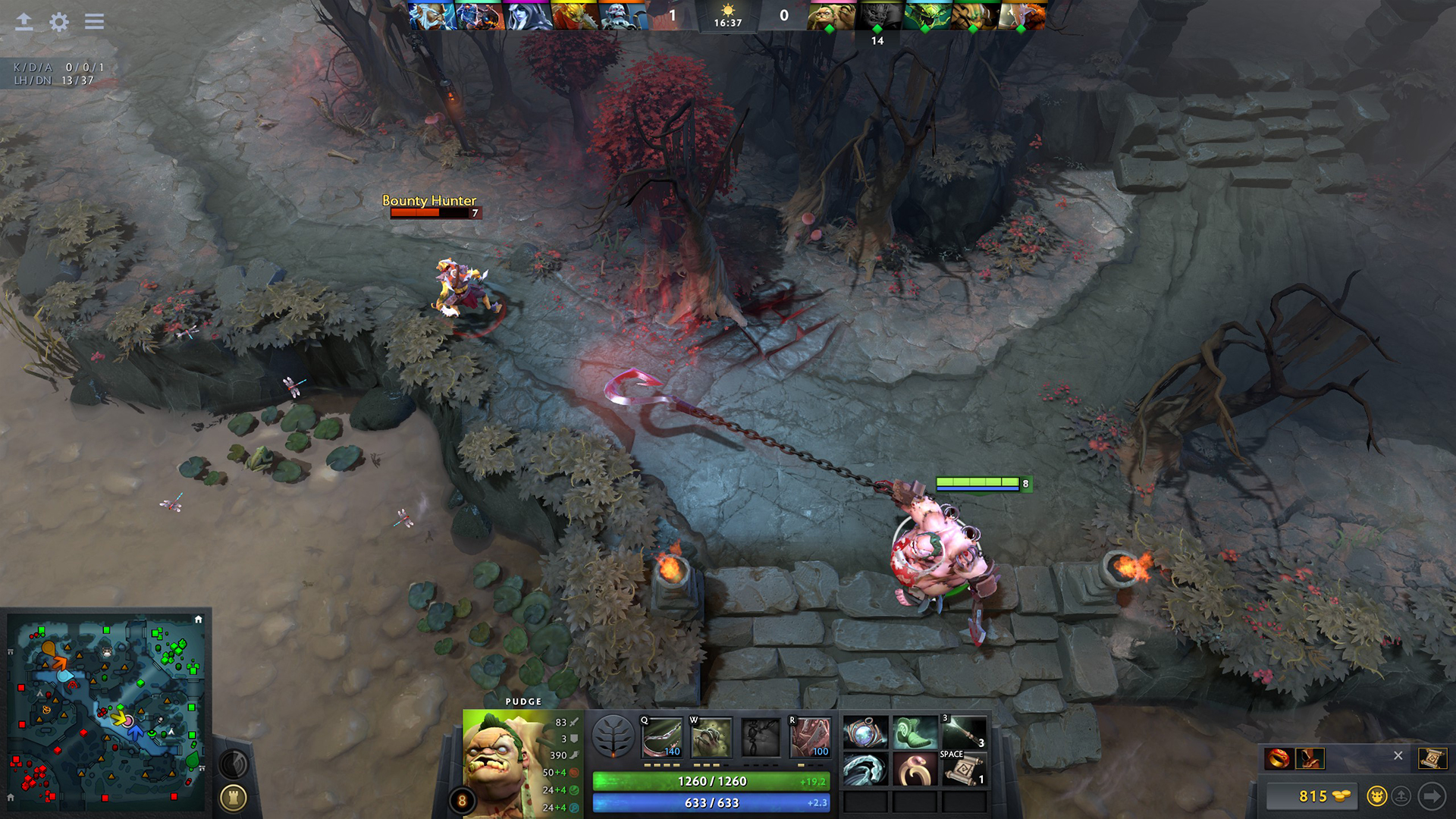
The strangest twist came from Valve itself. In 2023, it stopped making battle passes for Dota 2, saying the focus on one big pass left the rest of the year feeling empty and took resources from other updates. Without the crowdfunding, The International's prize pools fell back: $3,143,063 in 2023, $2,602,164 in 2024 and $2,881,791 in 2025.
Why it matters
The battle pass is one of the clearest examples of a business model that began as a fan feature and became an industry standard. It also links two worlds: the free-to-play economy that Korean companies helped invent, which we cover in our history of Nexon and free-to-play, and the esports scene that Dota's tournaments built.
WGC's take: the battle pass works best when it does what the first Compendium did, giving fans something fun and putting some of the money back into the community. It works worst when it turns a game into a to-do list. The best passes of 2026 remember the first; the worst forget it.