AI in Game Development, 2026: The Tools Spread, the Trust Collapses
More developers use generative AI than ever, and more of them say it is hurting games than ever. From a revoked Game of the Year to Square Enix's QA plan, here is where the biggest argument in game making stands.

On December 18, 2025, the Indie Game Awards named Clair Obscur: Expedition 33 its Game of the Year and best Debut Game. Within days, both prizes were gone. The organisers had learned that a few textures made with generative AI, which developer Sandfall Interactive says were placeholders meant to be replaced, had slipped through into the shipped game. The awards' rules made any game using generative AI ineligible. Blue Prince and Sorry We're Closed received the trophies instead.
It was a tiny amount of AI in one of the most acclaimed games of the year, and it still cost the studio two awards. That says a lot about where the games industry stands on AI in late 2026: the tools are everywhere, and the trust is not.
What the developers say
The clearest picture comes from the GDC 2026 State of the Game Industry survey of more than 2,300 industry professionals, published in January.
- 36% said they use generative AI tools in their work. That rose to 58% among people in publishing, marketing and business roles, and fell to 30% among people working at game studios.
- 52% said generative AI is having a negative impact on the industry, up from 30% a year earlier and 18% in 2024.
- Only 7% said its impact is positive, down from 13%.
The split by job is striking. Negative views were highest among visual and technical artists (64%), game designers and narrative writers (63%) and programmers (59%). The most positive groups were executives and business staff, at 19% each.
In other words, the people who approve budgets like AI much more than the people who make the games. That gap is behind almost every AI argument in this story.
The Steam label
The best public data on AI in released games comes from Steam. Since January 2024, Valve has required developers to disclose how they use generative AI, both in making a game and in content generated while it runs.
A study by developer Ichiro Lambe for Totally Human Media, published in July 2025, counted 7,818 games with AI disclosures, up from about 1,000 a year earlier, or roughly 7% of the store. About one in five games released on Steam in 2025 carried one. Around 60% of disclosures involved visual assets such as characters, backgrounds and textures; others covered voices and music, text, marketing images and code. Examples ranged from the indie hit My Summer Car to Krafton's life simulator inZOI.
The obvious blind spot is that the label only works if developers are honest. Some games almost certainly use AI without saying so.
ARC Raiders and "assume everyone uses it"
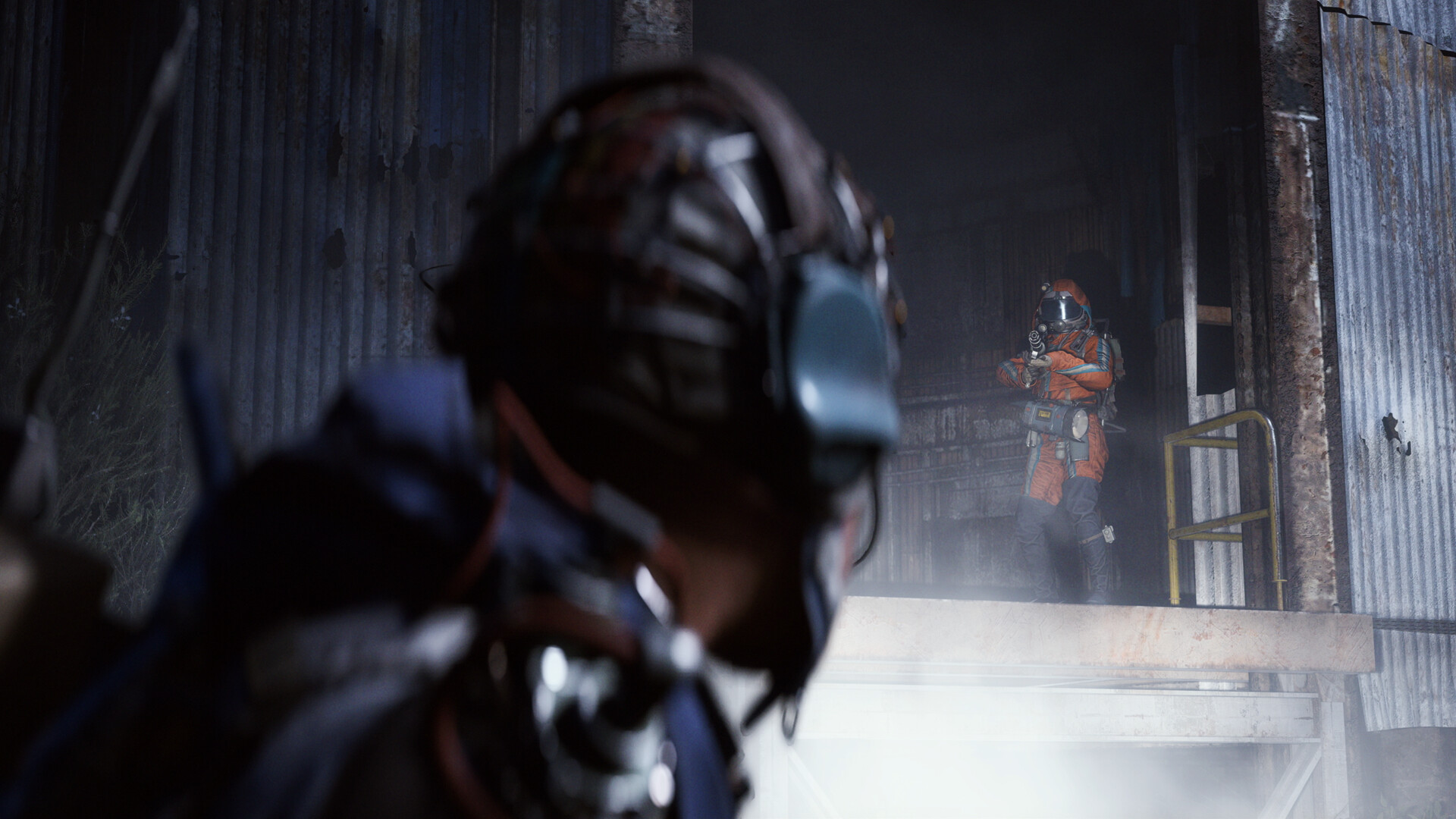
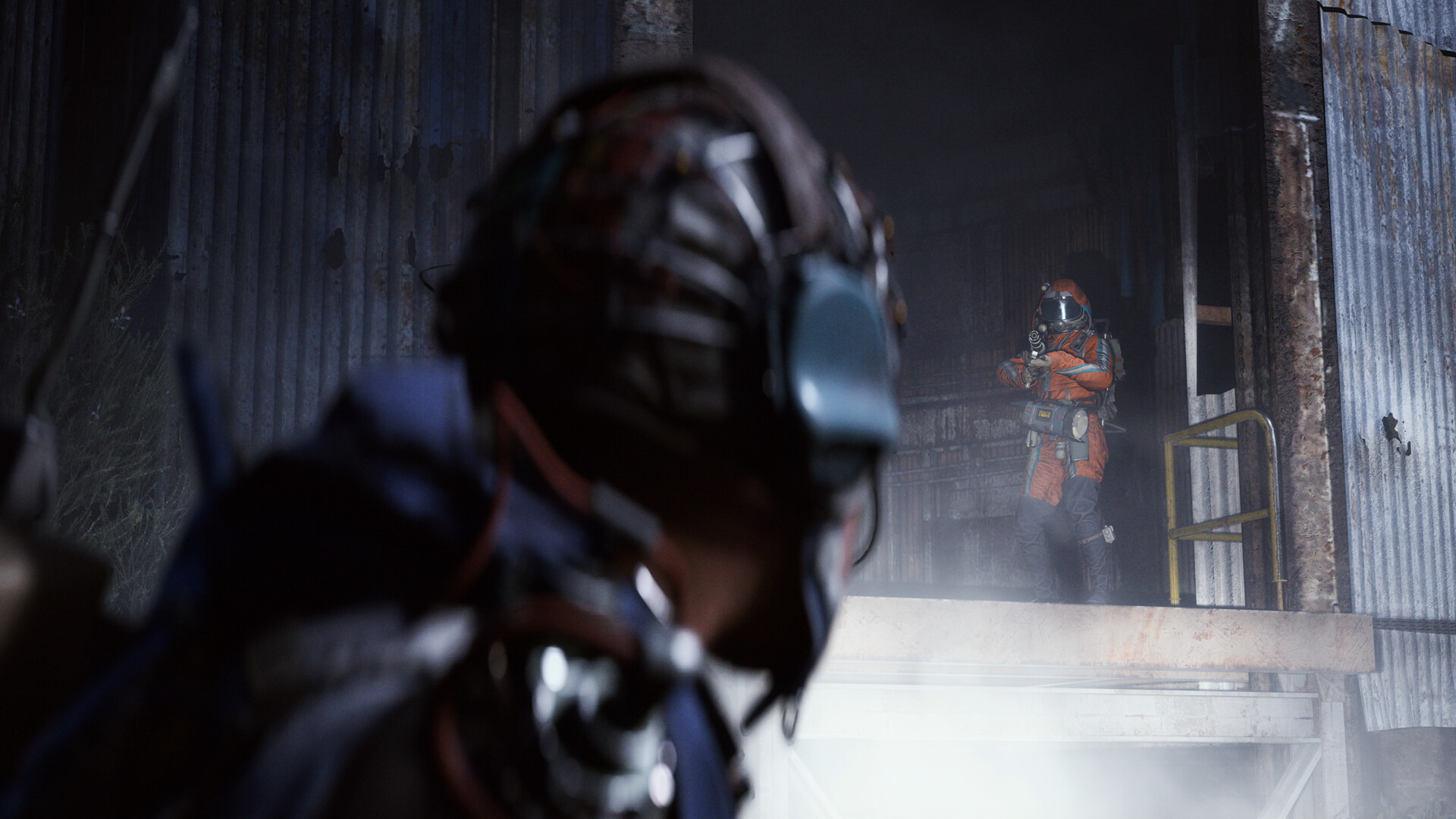
The highest-profile flashpoint of the past year was ARC Raiders, the extraction shooter from Stockholm's Embark Studios, owned by Korea's Nexon. Embark acknowledged using text-to-speech models for some voice lines, as it had in The Finals, while saying the game's visuals were not made with generative AI. The Steam page carries an AI disclosure.
Then Nexon CEO Junghun Lee added fuel. Speaking to Japan's Game*Spark in November 2025, he said "it's important to assume that every game company is now using AI", while naming human creativity as the way to stay competitive. Many developers pushed back. The team behind the indie RPG Demonschool told PC Gamer they "would rather cut off our own arms".
Both sides have a point. Machine learning tools, from animation clean-up to bug detection, have been part of game development for years. But "AI" now usually means generative tools trained on other people's art, writing and voices, and that is a different argument.

The big publishers' bets
Several large companies have now put AI into their business plans in plain numbers.
Square Enix said in November 2025 that it aims to automate 70% of its QA and debugging tasks by the end of 2027, as part of its medium-term plan. It is working with the Matsuo-Iwasawa Laboratory at the University of Tokyo on QA automation using generative AI. Testing is one of the most labour-intensive jobs in the industry, and QA staff were quick to ask what the target means for them.
Krafton, the PUBG publisher, declared itself an "AI first" company in October 2025. It froze hiring except for roles developing original games and AI, and soon after offered staff a voluntary resignation programme, while saying it was not a layoff plan.
And in January 2026, Google's Project Genie, an experimental tool built on its Genie 3 "world model" that lets users sketch and explore short interactive worlds, briefly shook game company shares. On the day after its announcement, Unity fell almost 20%, and Take-Two, Roblox, CD Projekt and Nintendo also dropped. Analysts and developers quickly pointed out that a 60-second AI-generated world is a long way from a finished game, but the reaction showed how nervous the market is.
The labour fight
The most concrete protections so far came from performers. In the US, members of the actors' union SAG-AFTRA struck against major game companies for 348 days, from July 26, 2024 to July 9, 2025, mainly over AI. The new agreement, approved by 95.04% of voting members, requires consent and disclosure before companies create or use a performer's digital replica, and lets performers suspend that consent during a strike. We tell that story in detail in our report on the SAG-AFTRA strike.
Artists, writers and QA testers have no equivalent contract. Their leverage comes from public opinion, award rules like the Indie Game Awards', platform disclosure rules like Steam's, and, increasingly, unions. The GDC survey found 62% of respondents interested in joining one.
By the numbers
- 52%: developers who say generative AI is hurting the industry (GDC 2026)
- 36%: developers who use generative AI tools at work
- 7,818: Steam games disclosing AI use by July 2025
- 1 in 5: share of 2025 Steam releases with an AI disclosure
- 70%: share of QA and debugging Square Enix wants automated by end of 2027
- 348 days: length of the SAG-AFTRA video game strike
- 95.04%: union vote to approve the new contract
What to watch
The next year will turn on a few questions. Will more awards and festivals adopt strict no-AI rules, or will the Clair Obscur case make them rethink what counts? Will Steam's disclosures become more detailed, and will players use them to choose what to buy? Will Square Enix and Krafton show that AI changes their output, or only their headcount?
WGC's take: AI is not one thing. A tool that finds bugs faster is not the same as a tool that replaces an artist's portfolio or an actor's voice. The industry's credibility depends on being honest about which is which, and on giving the people whose work trains these systems a real say. For now, the clearest rule is the one players already apply: tell us what you used, and we will decide.
If you want to judge for yourself, ARC Raiders is on PC, PlayStation 5 and Xbox Series X|S, and Clair Obscur: Expedition 33, the game that lost its indie awards, remains one of the most celebrated RPGs of the decade.